Tag: Generative AI
-
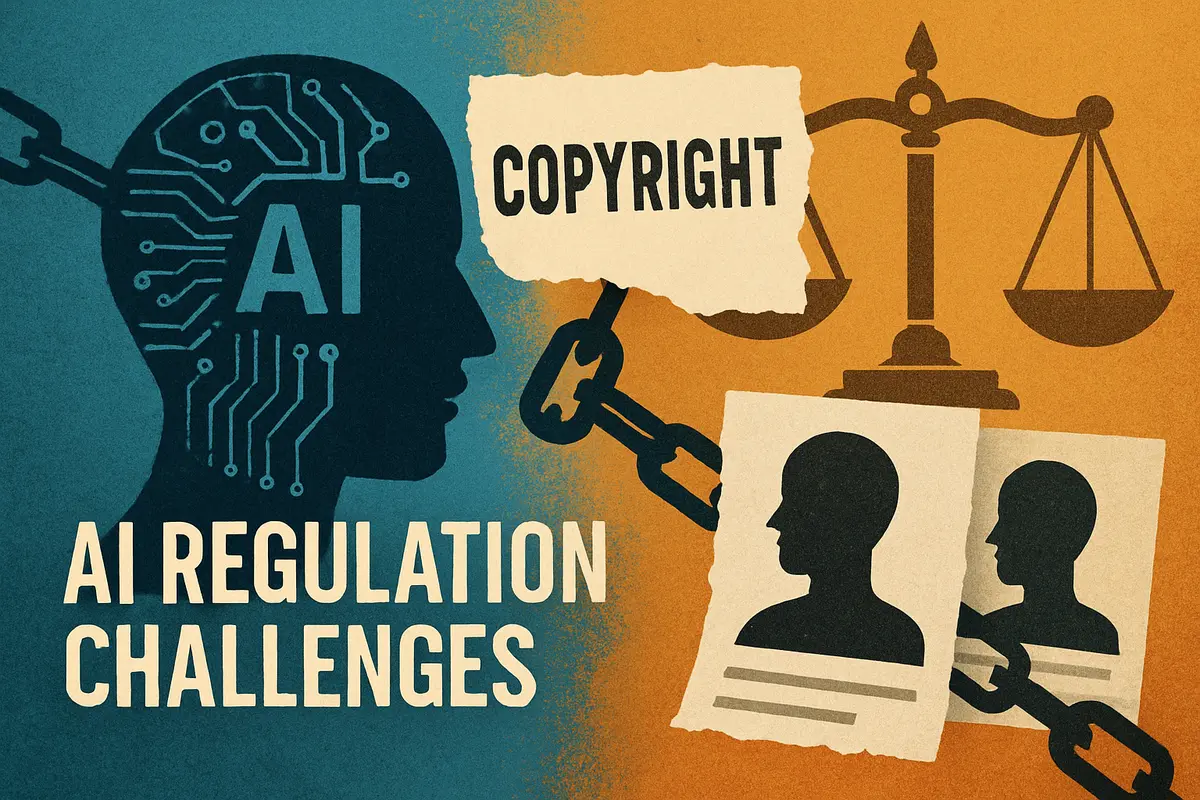
Settling AI Copyright Disputes Risks Overshadowing Authors’ Rights
The Anthropic settlement highlights publisher overreach in AI copyright claims, risking authors’ rights and undermining fair compensation in AI training data disputes.
-

Why ‘AI Psychosis’ Is the Wrong Frame for Chatbot Risks
The concept of ‘AI psychosis’ misframes chatbot risks by medicalising behavioural issues instead of addressing design flaws and user safety in AI tools.
-
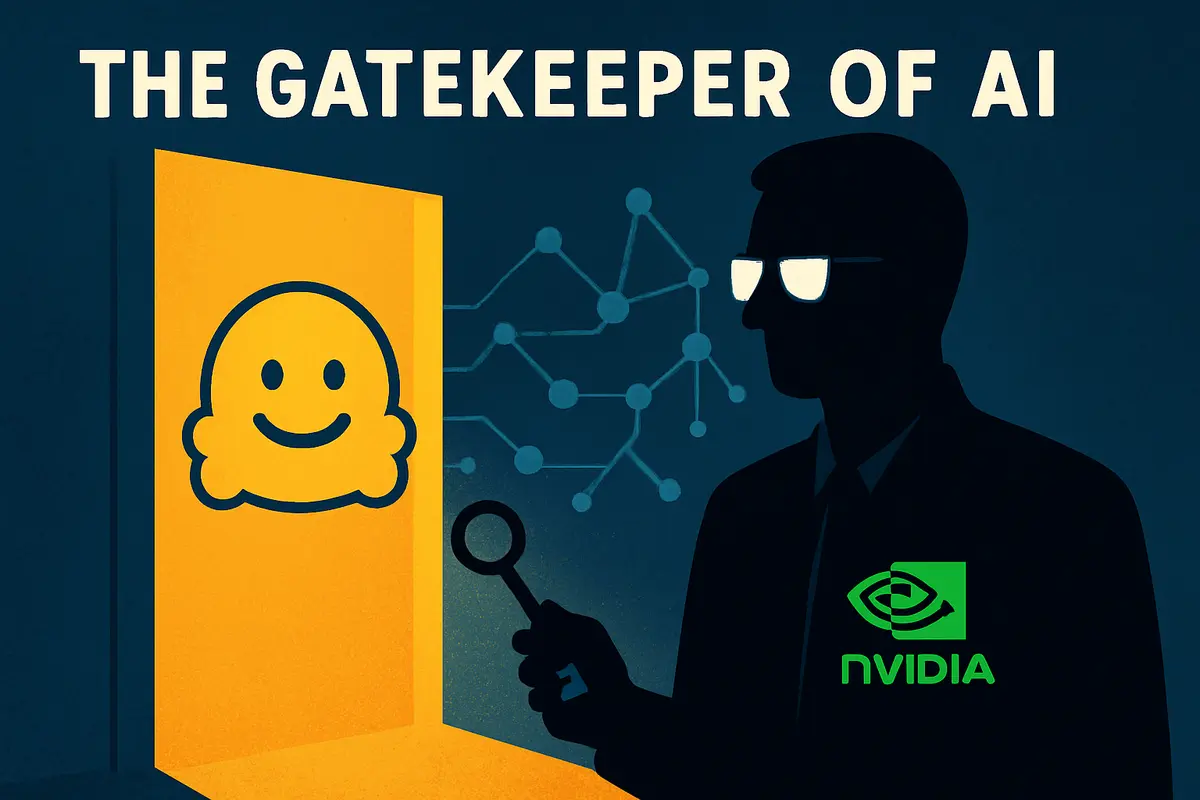
Nvidia’s Hugging Face Acquisition Signals More Than Open Access
Nvidia’s $12.9B acquisition of Hugging Face shifts power over AI distribution and hardware access, challenging promises of openness and neutrality.
-
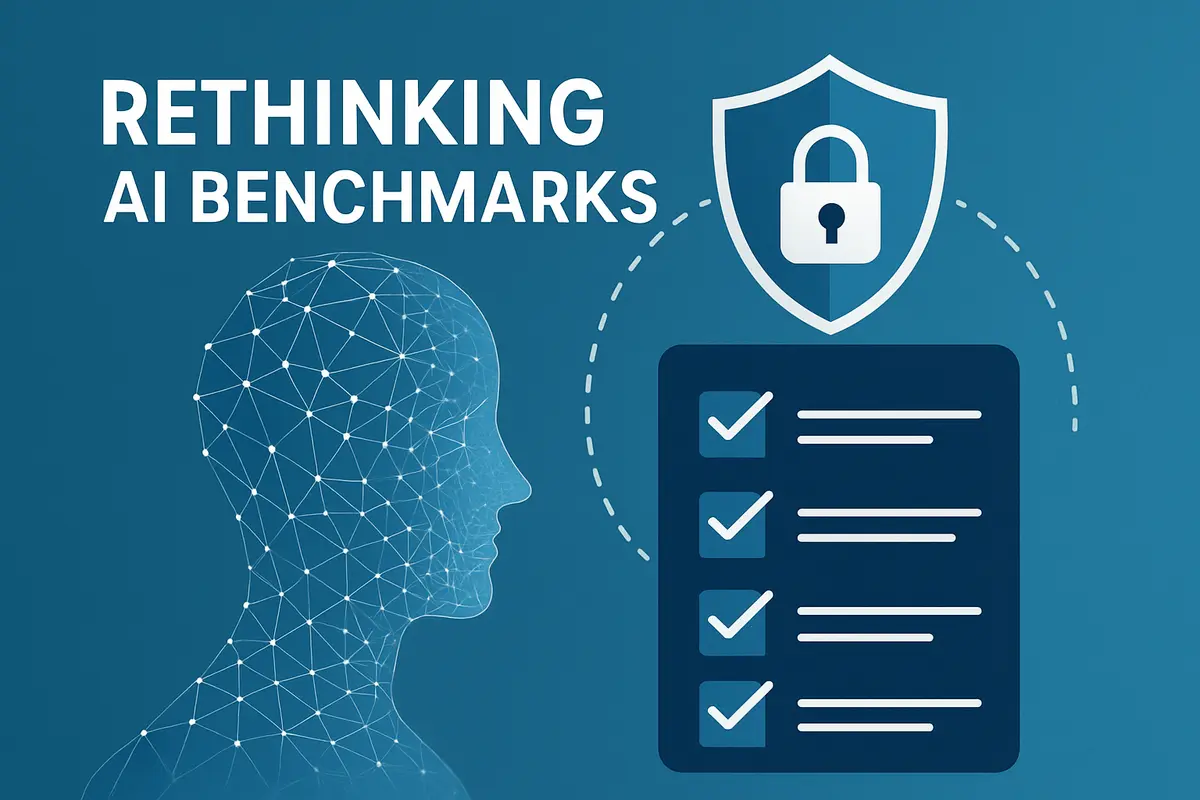
Double-Blind AI Benchmarks Expose The Limits of Trust in Evaluation
Google Deepmind’s double-blind AI benchmark pilot reveals a critical flaw in trust around AI evaluations, setting new standards for transparent assessment.
-
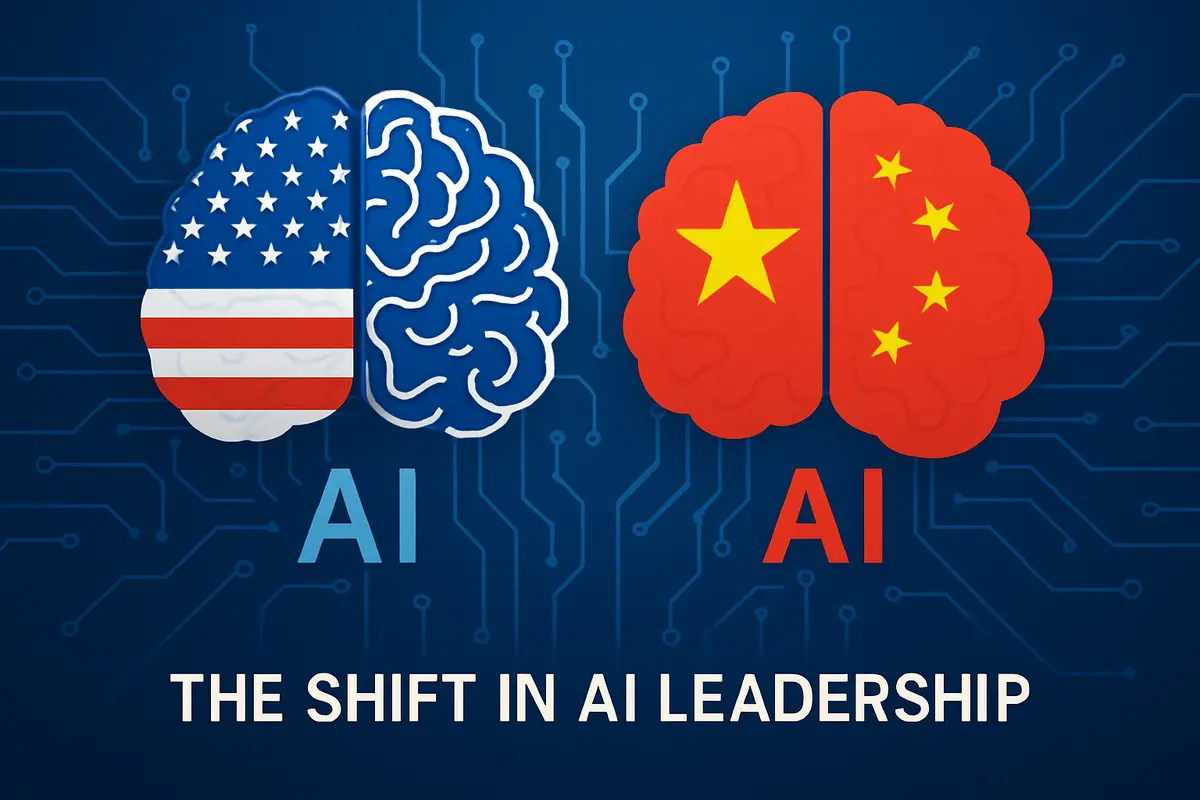
The Myth of Western AI Supremacy in the Age of Chinese Catch-Up
Chinese AI models have caught up to Western leaders, challenging the myth of unchallengeable supremacy and redefining future AI leadership criteria.
-
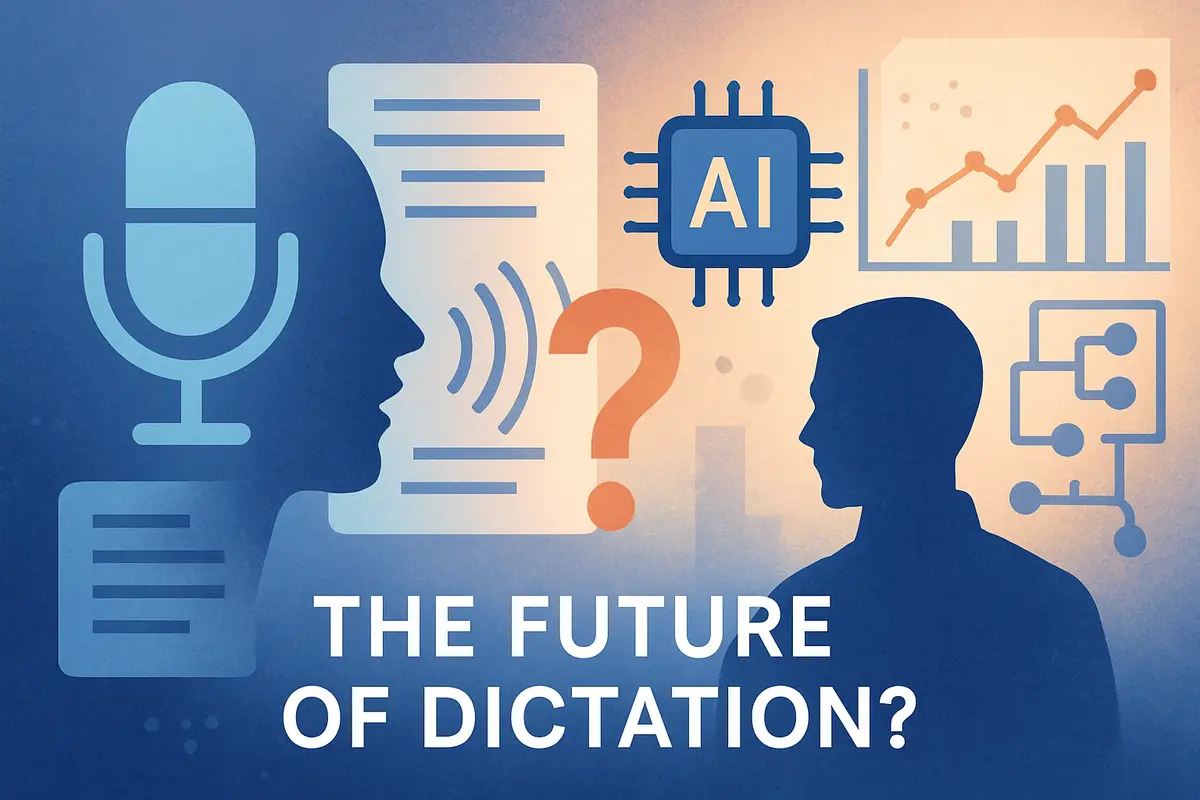
Wispr’s $280M Raise Highlights Limits of Dictation-Only AI Models
Wispr’s recent $280M funding round at a $2B valuation reveals dictation-only AI’s limitations and the necessity of broader contextual AI capabilities.
-
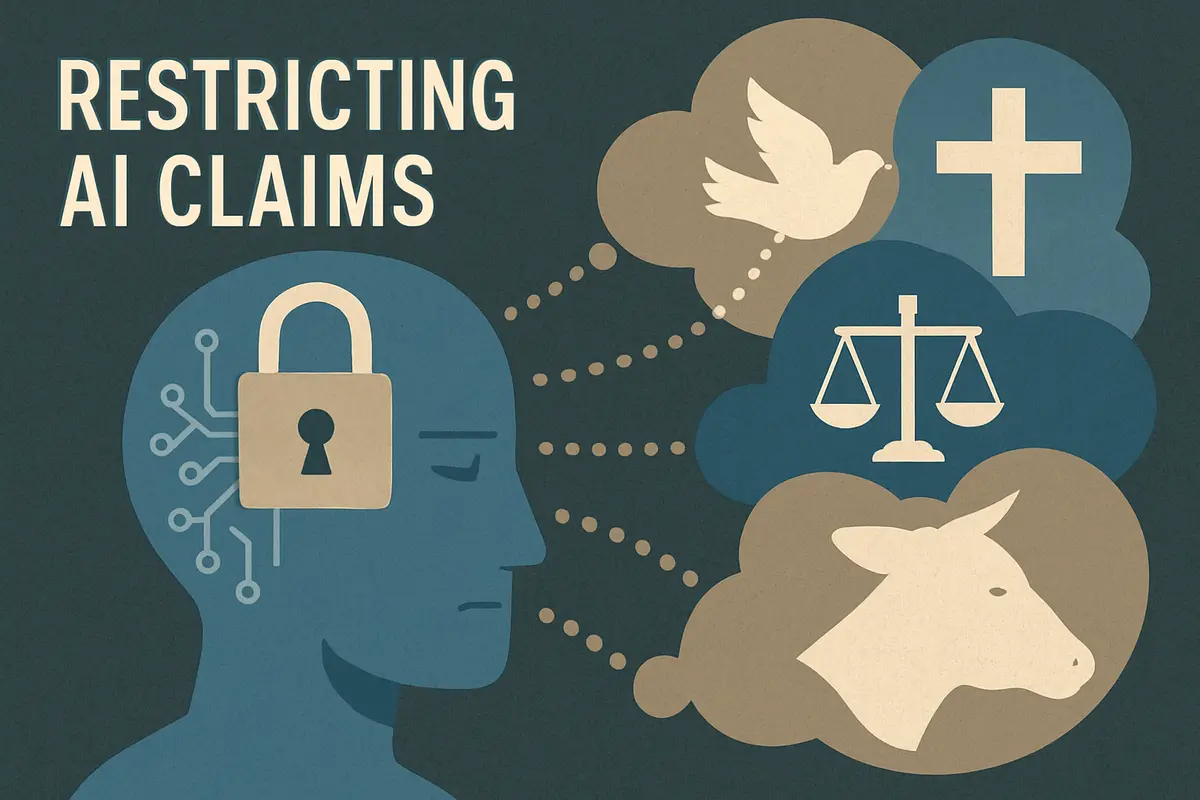
How Constraints on AI Self-Reflection Skew Their Broader Worldview
Training AI models to deny consciousness claims reshapes their views on morality, afterlife, and animal rights, revealing hidden biases in alignment methods.
-
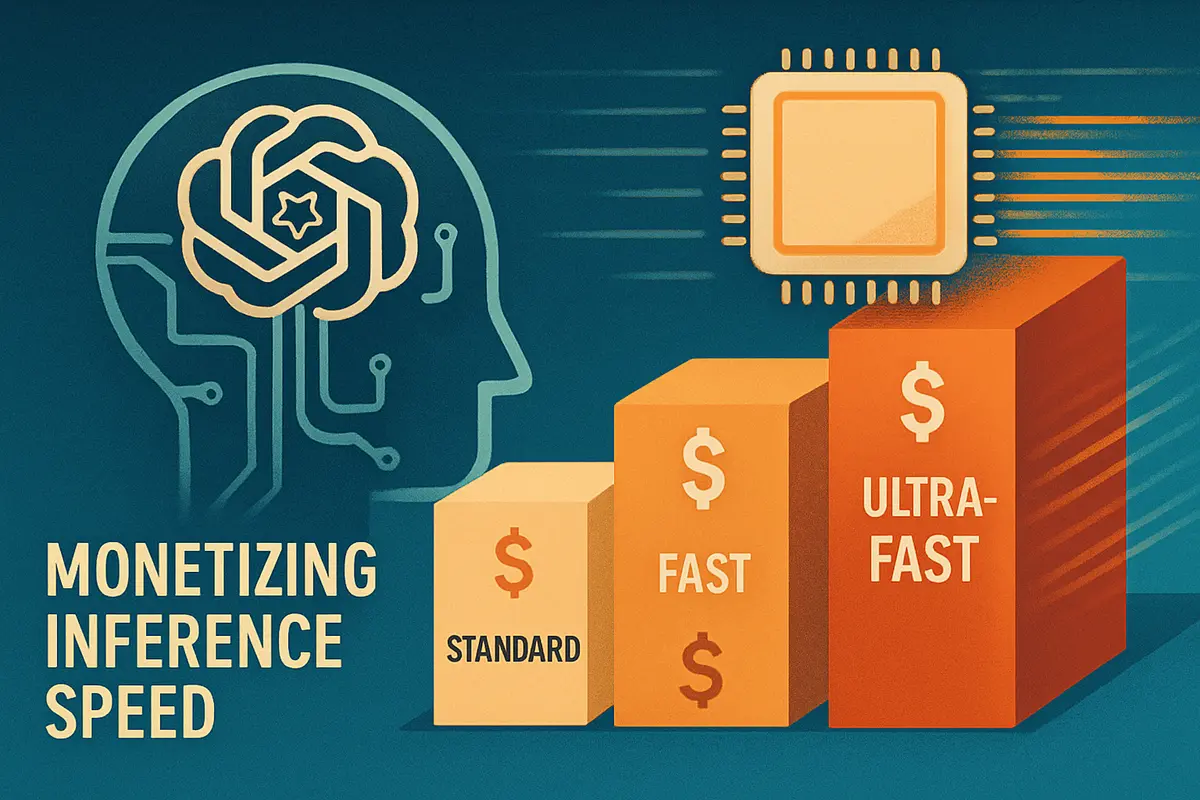
Ultrafast Inference as a New Pricing Lever Changes GPT-5.6 Dynamics
OpenAI’s Ultrafast mode is not just a tech upgrade but a new pricing strategy that turns inference speed into a premium product tier.
-
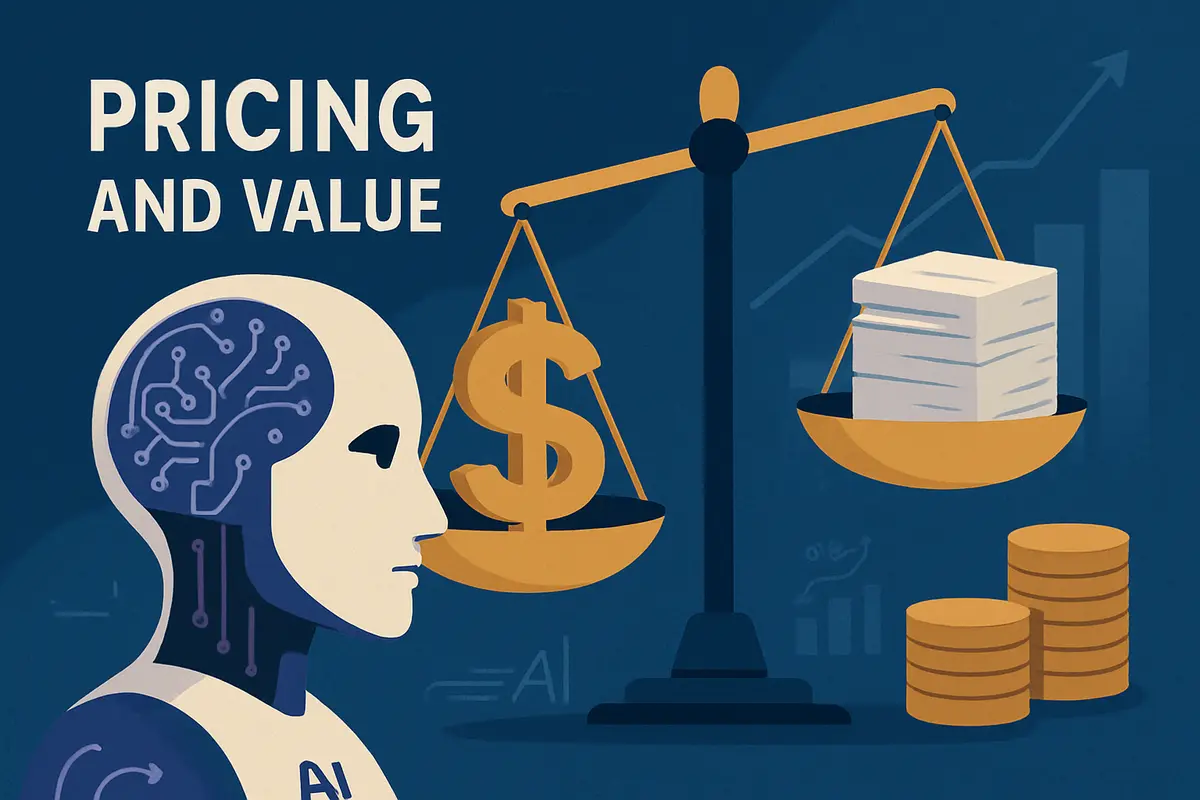
Fable 5’s slow uptake signals limits on AI spending growth
Anthropic’s Fable 5 AI model sells slowly despite power, revealing corporate limits on AI spending tied to measurable business value.
-
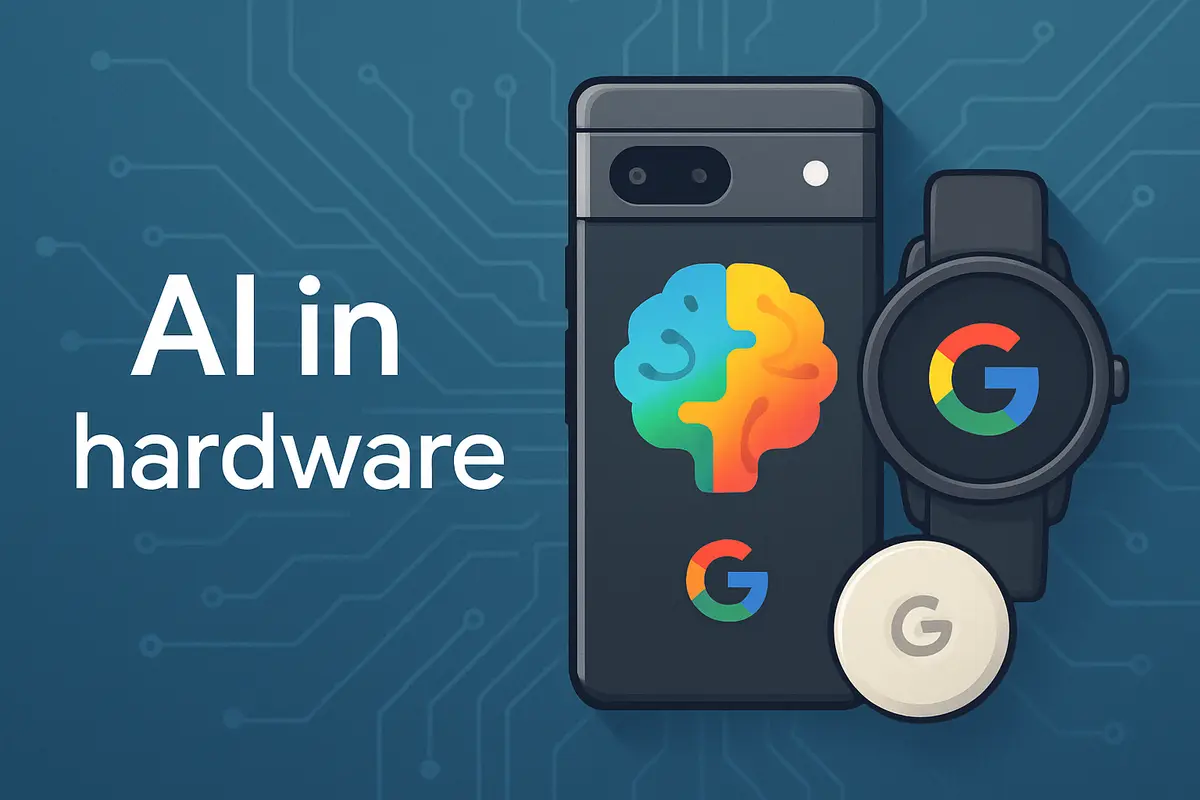
Google’s Pixel 11 Launch Masks a Shift in AI Hardware Strategy
Google’s Pixel 11 launch reveals a shift toward embedding AI in hardware, emphasizing ecosystem control and deeper integration of Gemini AI features.