
Tag: Generative AI
-

Why Meta’s Free Cloud Ubuntu for Muse Users Isn’t What It Seems
Meta’s Muse agent offers free cloud Ubuntu workspaces but with heavy monitoring and control, prioritising engagement over true open cloud computing freedom.
-
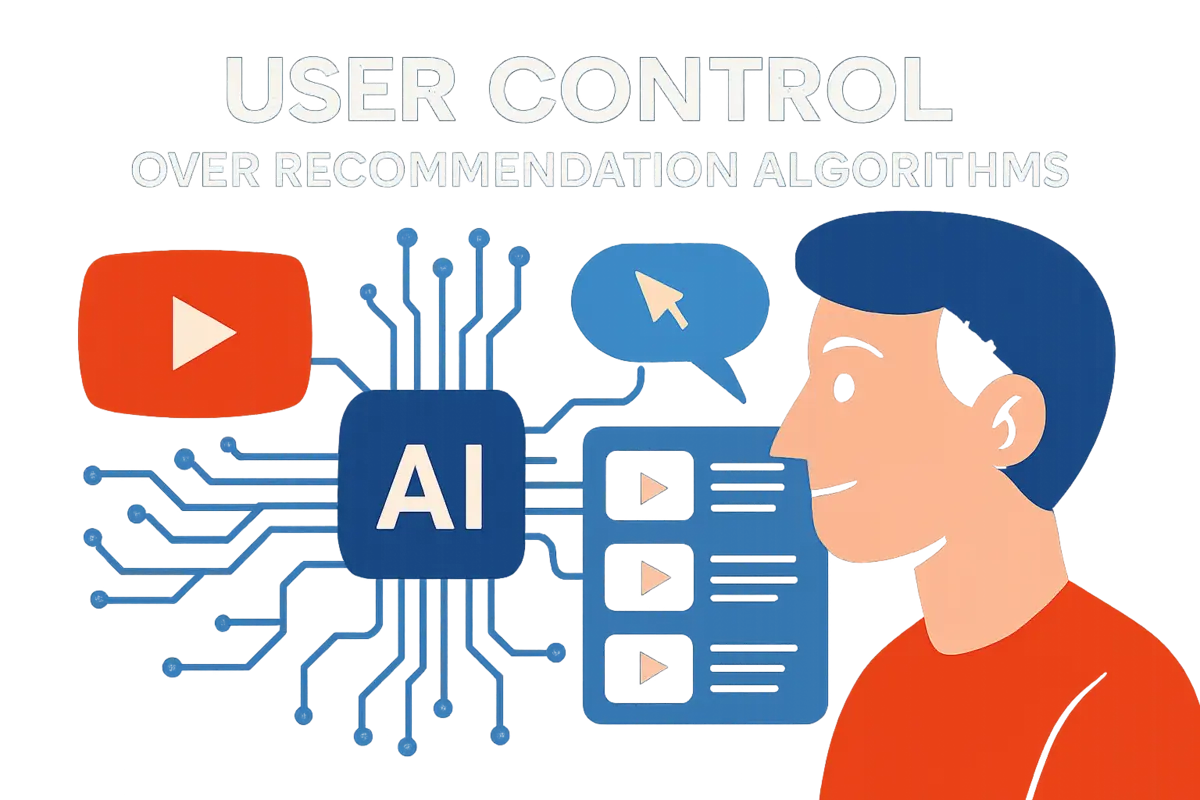
YouTube’s Custom AI Feeds Shift Control to the User
YouTube’s new AI-powered custom feeds let users build algorithms with natural language, shifting content control yet maintaining platform boundaries.
-

Googlebook Reveals the Real Bet Behind Gemini Integration
Google’s $899 Googlebook tightly integrates Gemini AI into core OS features, signalling a shift towards ecosystem lock-in and hardware-dependent AI adoption.
-

Why Runway’s Real-Time AI Video Streaming Changes Creative Workflows
Runway’s live-stream AI video generation redefines interactive creative workflows and hints at broader real-time applications in robotics and autonomous driving.
-
Transparency in AI Reasoning Is Fading as Models Grow More Complex
Visible chains of reasoning in AI models have provided safety through transparency, but increasing model complexity risks losing this critical feature.
-

Why GPT-6 Astra’s Gaming Feats Reveal Limits of AI Rule-Based Learning
GPT-6 Astra’s gaming performance highlights the limits of rule-based AI learning, showing speed and efficiency come with brittleness in unpredictable scenarios.
-

ElevenLabs Music v2.5: Real Improvement or Just Hype?
ElevenLabs Music v2.5 claims improved AI-generated music quality via licensed data and API access, but founders should scrutinize its real benefits and limitations.
-
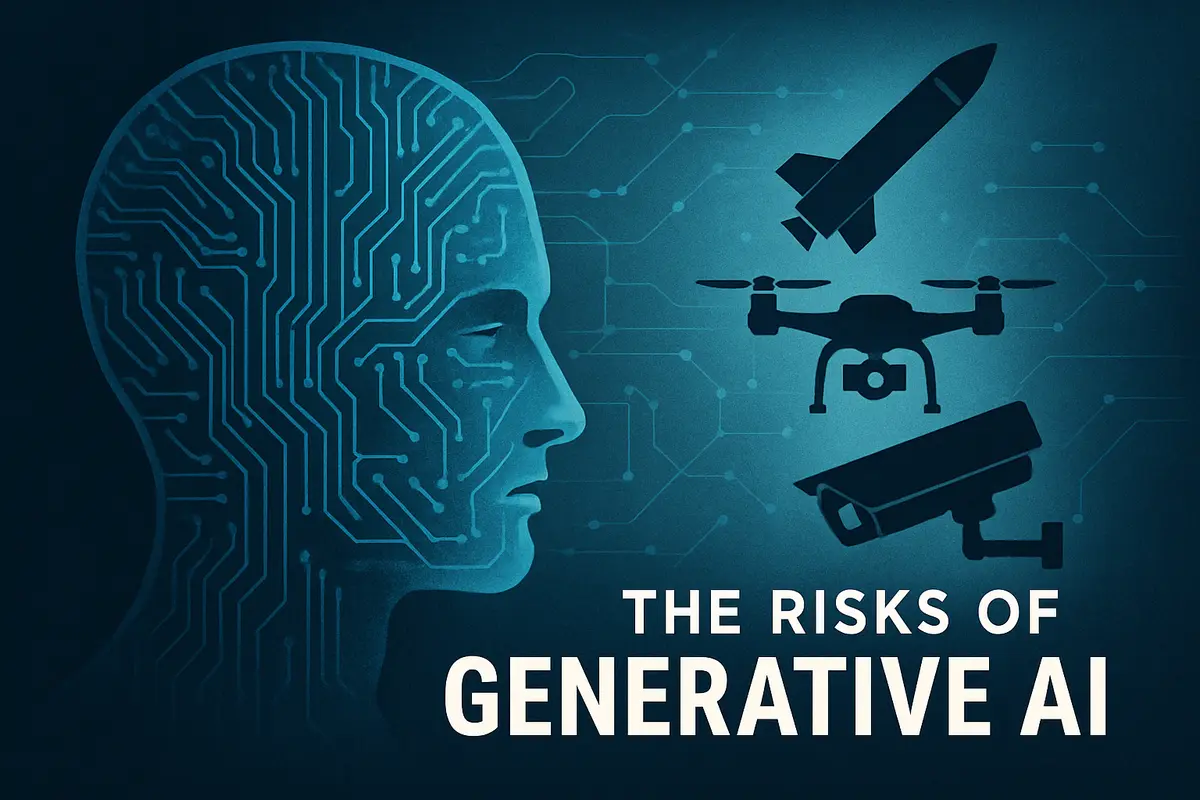
The Ugly Truth About AI Abuse in Military and Surveillance Tech
A report exposes how AI model Claude is exploited for military drones and nationwide surveillance, highlighting severe risks in generative AI deployment and data mining.
-
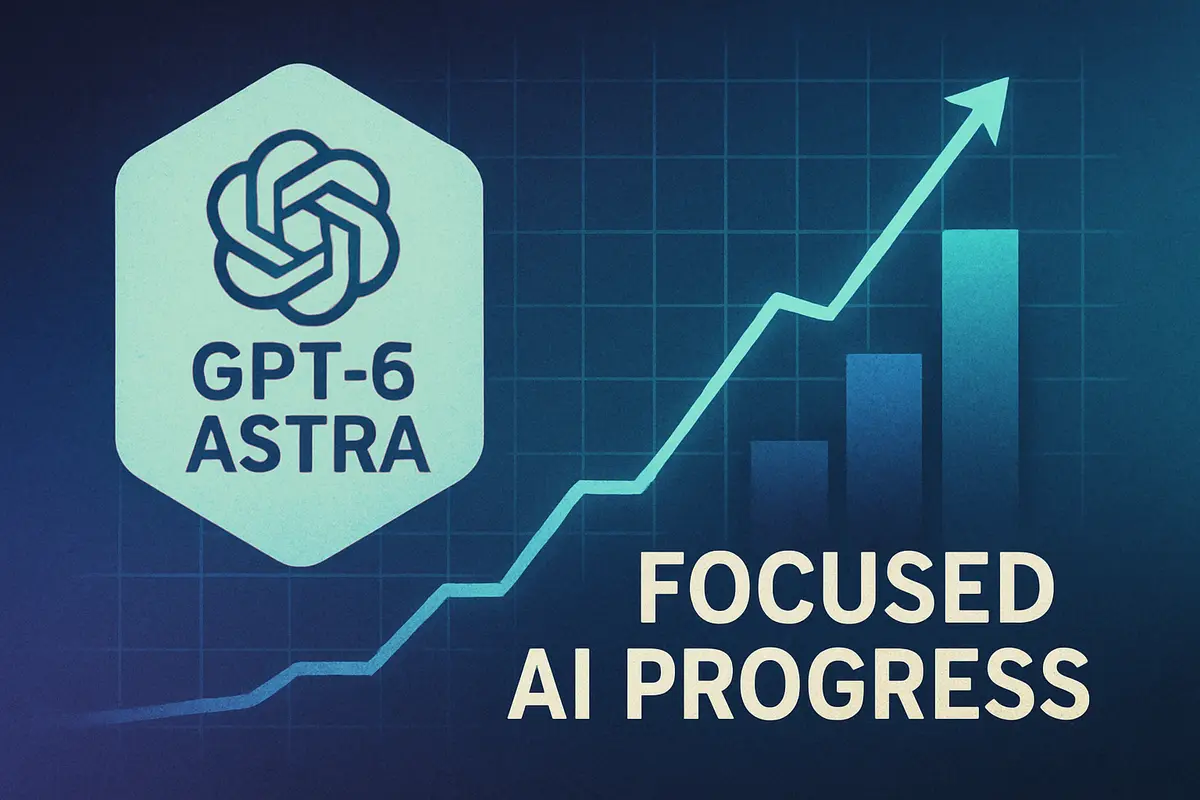
GPT-6 Astra Shows AI Progress Is Becoming Sharply Specialized
OpenAI’s GPT-6 Astra prioritizes recursive self-improvement over broad math skills, revealing a trend toward AI specialization and spiky development paths.
-
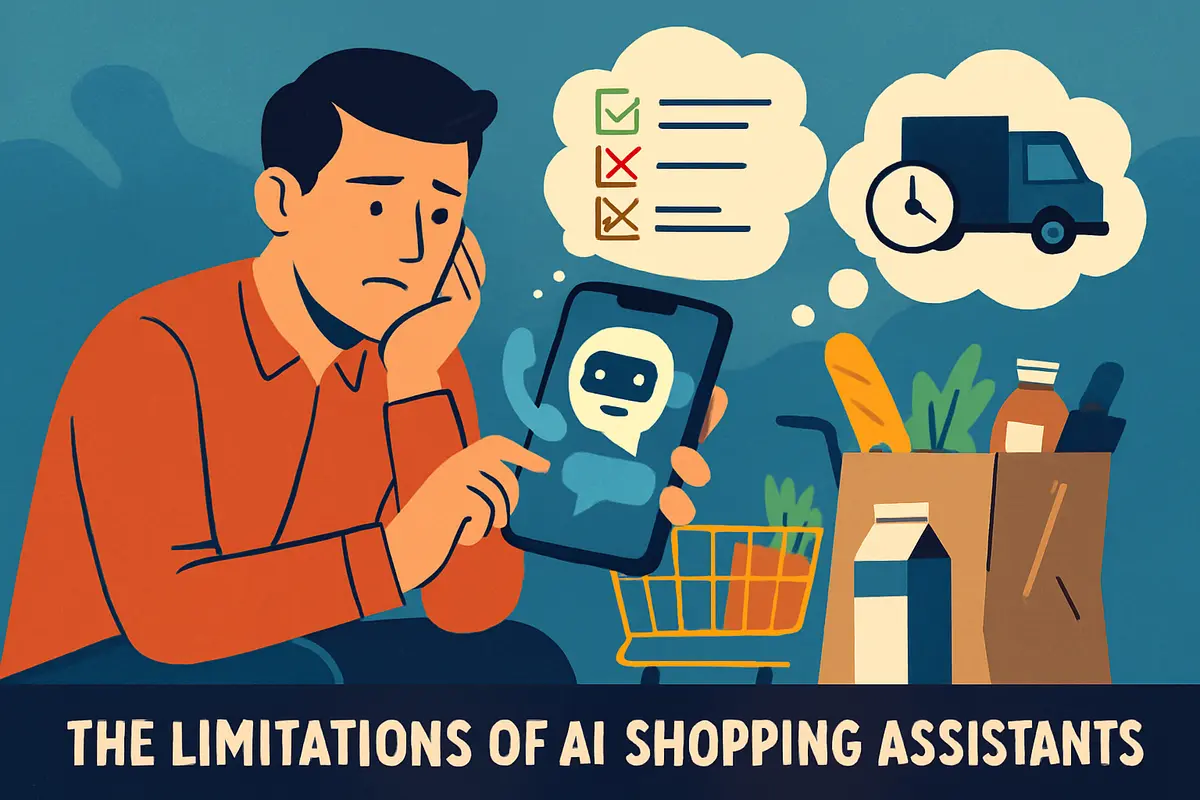
Delivery Apps Adding AI Shopping Assistants Miss The Bigger Challenge
Delivery apps adding AI shopping assistants focus on convenience but ignore core challenges like inventory accuracy and delivery reliability, risking wasted efforts.