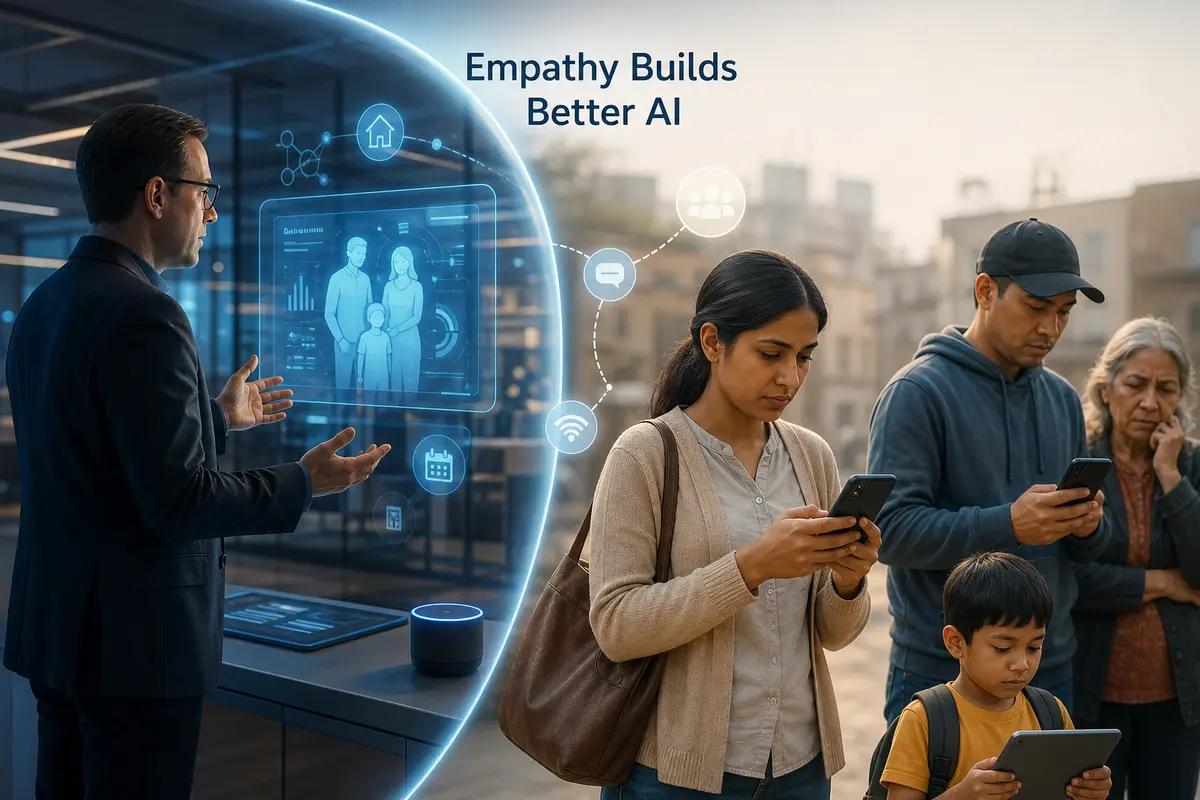
When tech executives showcase AI tools designed to connect with their families, they expose a deeper disconnect from the broader public. It’s not just a PR misstep—it’s a signal that these leaders are too insulated to build for average users.
Their AI experiences, shaped by endless resources and tech fluency, don’t reflect the needs or realities of typical users outside the bubble. This gap is why many AI products, despite the hype, feel off-target or unusable to non-experts.
The disconnect stems from a narrow user perspective: if your home environment includes easily accessible AI assistants, custom integrations, and time to tinker, your challenges won’t mirror those of someone without these privileges. That disconnect breeds features nobody outside the privileged few actually needs, or worse, hides substantial usability flaws.
This CEO demonstration mindset raises a red flag—if insiders can’t convincingly use their own products in everyday settings, how can these platforms expect adoption at scale? The real question is who defines “public use,” and why are those voices absent from the core development conversations?
Until tech leaders step out of their echo chambers, AI products will struggle to resonate beyond early adopters. Genuine empathy—not performance AI demos—is the missing ingredient in creating useful tools for everyone.
Leave a Reply