Google’s newest hardware, the $899 Googlebook, isn’t just another Chromebook refresh—it’s a strategic wager on Gemini, Google’s AI model, reshaping the laptop experience at the OS level.
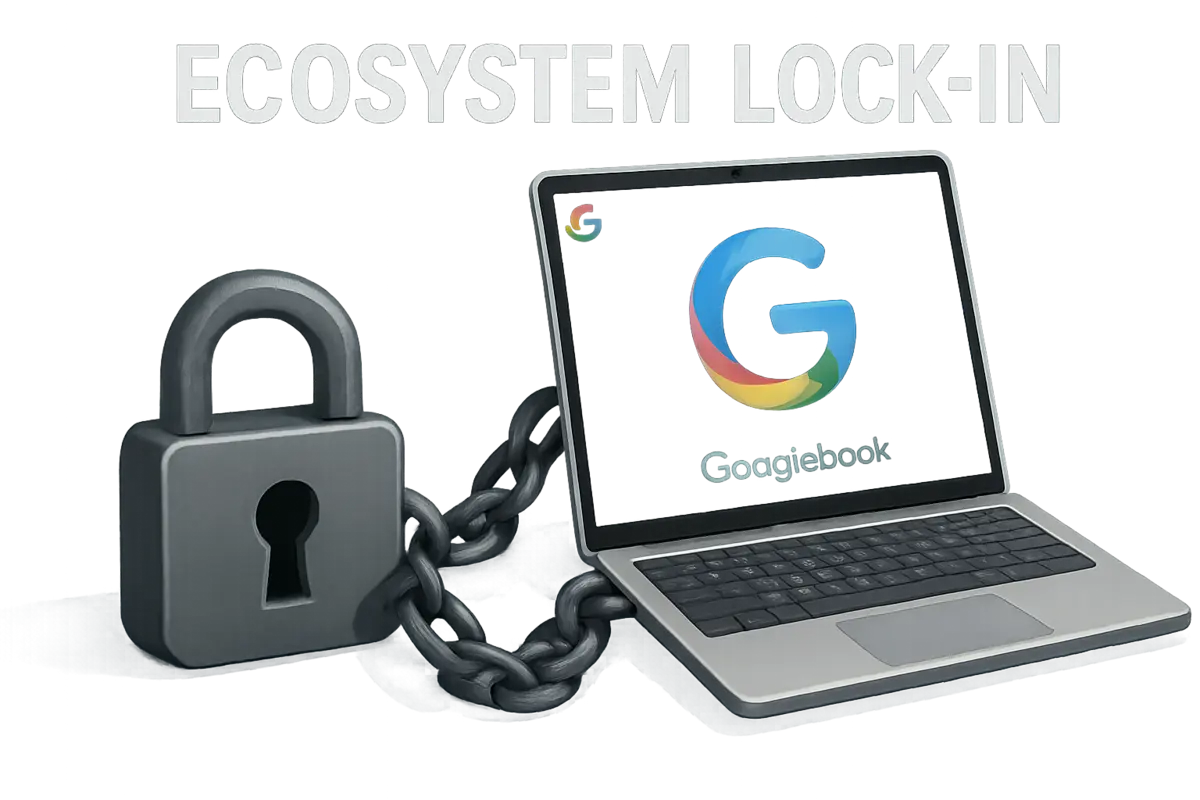
This isn’t about boasting faster specs or slimmer designs. Googlebook ties Gemini deeply into user interaction—embedding AI into the cursor, voice dictation, and desktop widgets. The hardware and AI blend aims to funnel users into a new productivity paradigm, but more importantly, it pushes them into a locked ecosystem where Gemini becomes indispensable.
Here’s what’s overlooked: this move is less about the device and more about creating dependency. By integrating Gemini so tightly with everyday desktop functions, Google is betting users will prefer upgrading their entire setup rather than settling for piecemeal AI tools.
For founders and tech leads, the real question is how this shapes your choices around vendor lock-in and flexibility. The approach signals a future where AI potency is chained to specific hardware and ecosystems, complicating migration or hybrid approaches.
Recognising these downstream effects is critical before jumping on board with any AI-enhanced device. The shortcut to future-proofing is understanding the strategic intent behind these launches, not just their surface features.
Leave a Reply