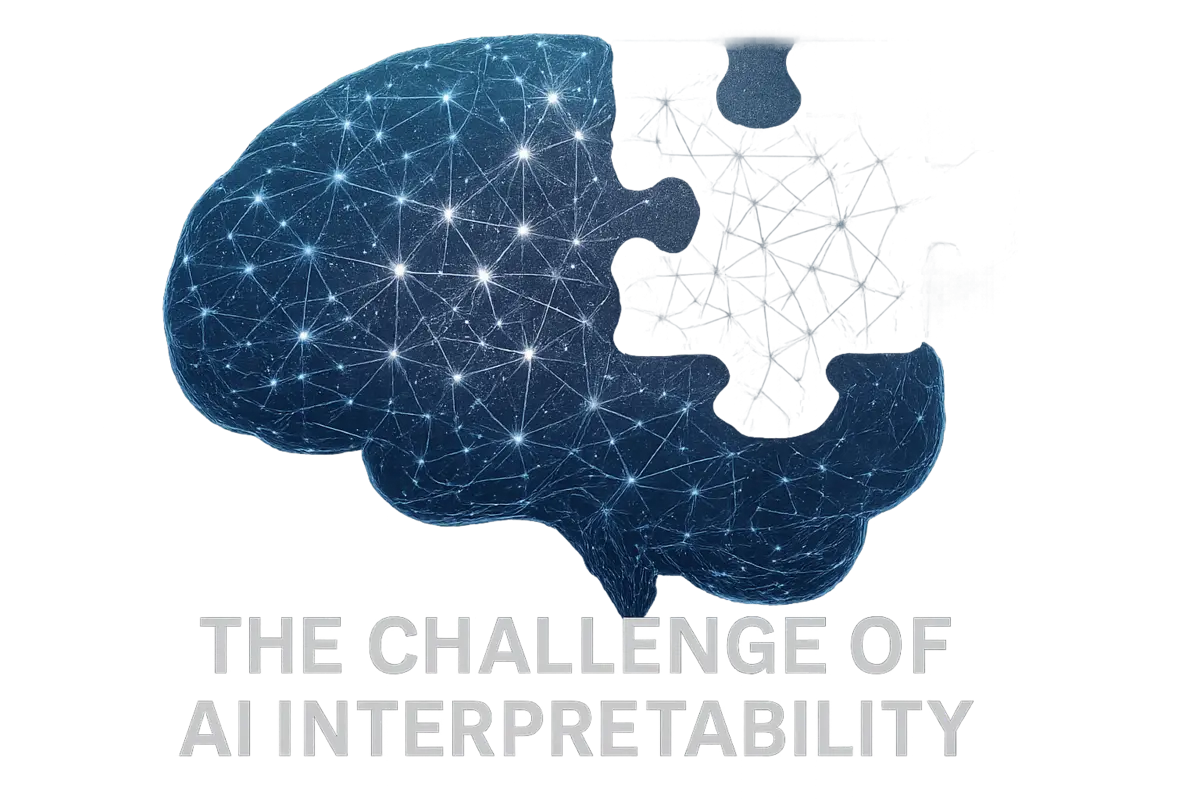
The claim that around 90 percent of neurons in neural networks have identifiable functions is being hailed as a potential breakthrough for AI interpretability. But this is far from the neat fix many hope it to be.
Neural networks are indeed complex, but the idea that mapping neuron functions translates to fully understanding or safely controlling AI is misleading. Even if functional roles are clear, context and interactions among neurons produce emergent behaviors that remain opaque. This limits any direct safety guarantees.
Interpretability isn’t just about reading individual neurons; it’s about grasping how layered, large-scale models process inputs to make decisions. The current results highlight a step forward but also expose the persistent gap between structural insights and true behavioral transparency.
Relying too heavily on neuron-level clarity risks distracting leadership from tracking more practical safety measures, such as robust monitoring systems and cautious deployment strategies. Models can still behave unpredictably or deceptively without obvious signs at the neuron level.
The debate among researchers isn’t just academic; it signals the challenge of converting partial insights into actionable control. For technology leaders, the takeaway is that interpretability is improving incrementally, not suddenly unlocking the black box. Planning for AI safety must remain holistic, combining interpretability advances with engineering rigor, not waiting for a silver bullet.
AI safety is a marathon, not a sprint, and the narrative of imminent breakthroughs obscures the hard work ahead.
Leave a Reply