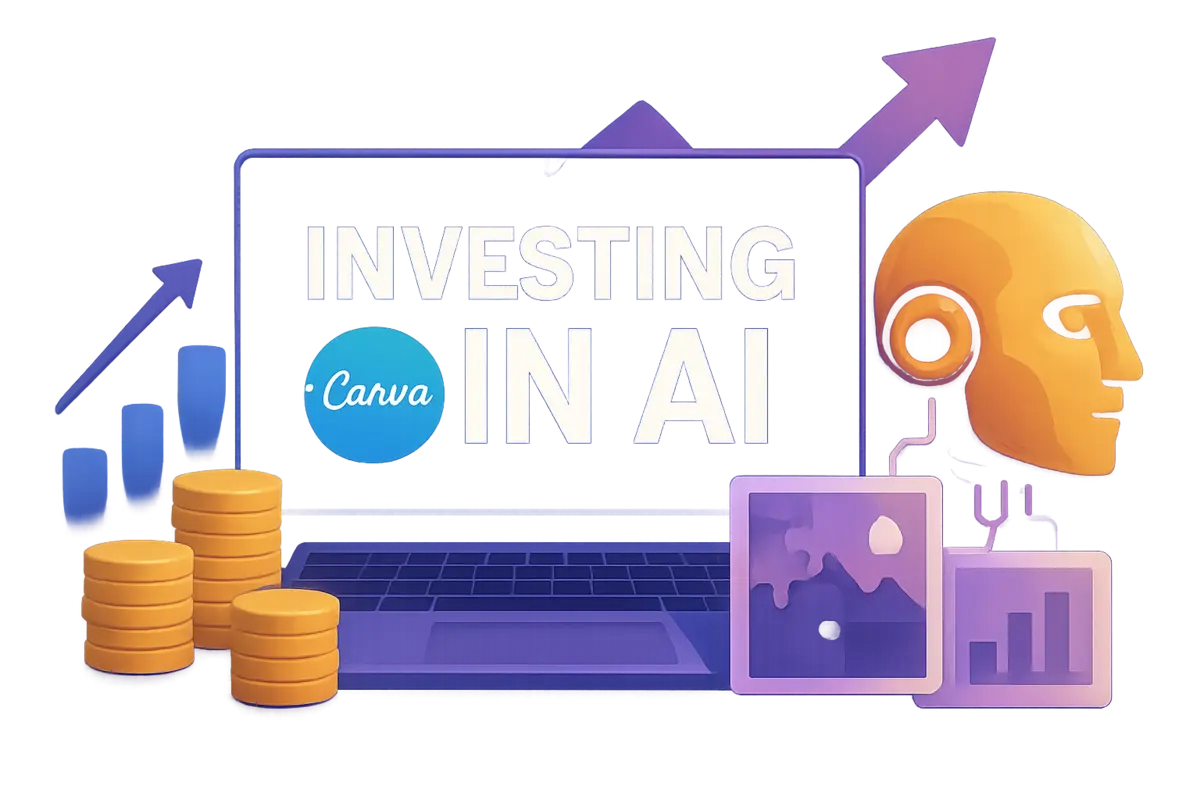
Canva launching its own image generation model, Canva Craft, is often framed as a straightforward case of a big player joining the AI arms race. But the real story is more subtle and strategic.
Most companies lean on third-party generative AI APIs because building these models in-house demands hefty data, specialized talent, and ongoing infrastructure investment. Canva’s move signals they’ve crossed a threshold where owning the tech stack fully is less risky and more beneficial than leasing it.
Why? Outsourced AI often leaves companies hostage to vendor pricing changes, unpredictable API limits, and suboptimal integration. For Canva, deeply embedding generative image capabilities unlocks tighter product control and differentiation hard to replicate by competitors relying on commoditized AI services.
This also implies a maturing ecosystem where mid-sized tech firms can reach a critical scale—enough data and use to justify investing in bespoke AI models rather than incremental API calls. It points to an industry shift from broad, generic AI tools to tailored, proprietary systems fine-tuned for specific user workflows.
For founders juggling talent and capital, it’s a signpost: the payoff of in-house AI only arrives at scale and with clear integration goals. For now, in-house generative models are less a mass movement and more a selective bet on exclusivity and long-term resilience.
Not a hype play, but an investment in strategic independence.
Leave a Reply