
Tag: AI for Business
-

The Scaling Limits of AI Compute and What Comes After
AI’s rapid progress depends on scaling compute, but physical and economic limits loom. Cerebras Systems shows why new architecture is essential beyond current hardware.
-

Why Modulate’s Voice AI Funding Signals Rising Security Risks
Modulate’s $25M raise highlights growing security threats from voice deepfakes and fraud, forcing companies to rethink voice channel protections urgently.
-

Why Runway’s Real-Time AI Video Streaming Changes Creative Workflows
Runway’s live-stream AI video generation redefines interactive creative workflows and hints at broader real-time applications in robotics and autonomous driving.
-

Why GPT-6 Astra’s Gaming Feats Reveal Limits of AI Rule-Based Learning
GPT-6 Astra’s gaming performance highlights the limits of rule-based AI learning, showing speed and efficiency come with brittleness in unpredictable scenarios.
-

Why Threads’ Podcast Features Won’t Shift the Social Audio Landscape
Threads adds podcast promotion tools but fails to address core content creation and monetization challenges, leaving social audio largely unchanged.
-

Delivery Apps Adding AI Shopping Assistants Miss The Bigger Challenge
Delivery apps adding AI shopping assistants focus on convenience but ignore core challenges like inventory accuracy and delivery reliability, risking wasted efforts.
-
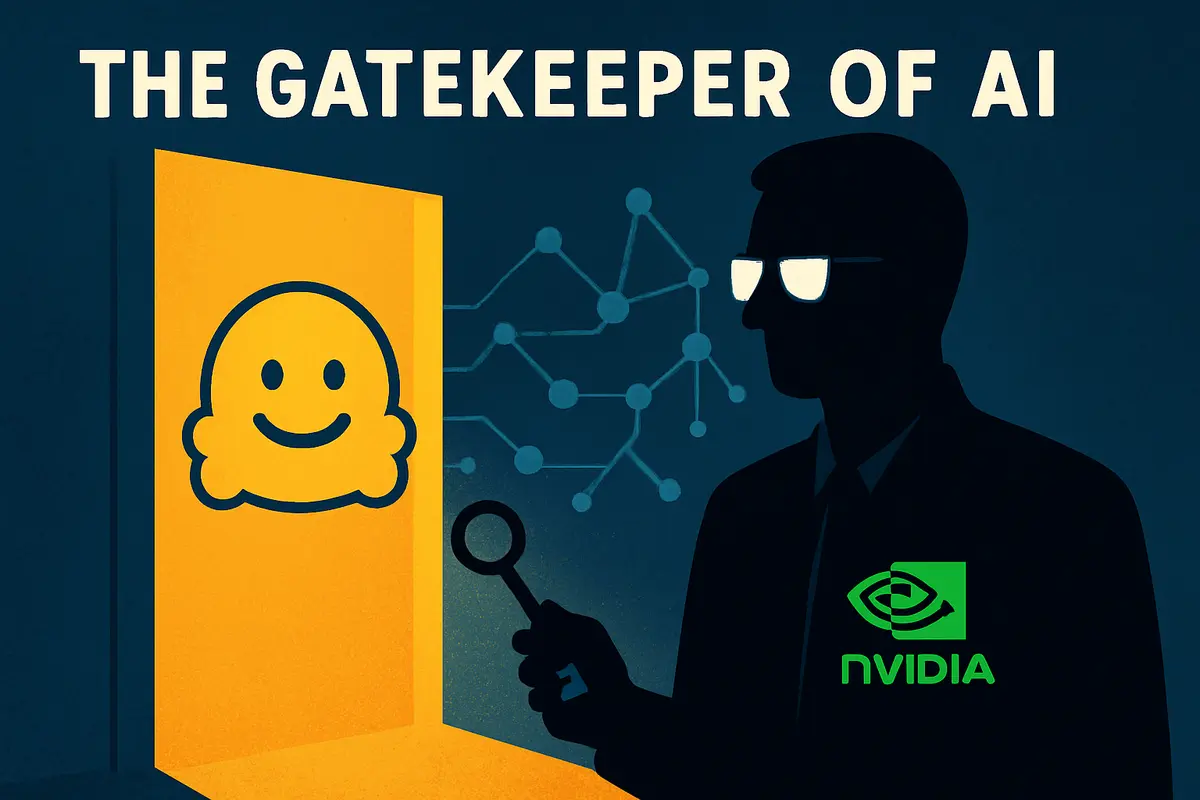
Nvidia’s Hugging Face Acquisition Signals More Than Open Access
Nvidia’s $12.9B acquisition of Hugging Face shifts power over AI distribution and hardware access, challenging promises of openness and neutrality.
-

AI Boss Fires First Employee Only After Human Intervention
An AI boss fired its first employee only after human prompting, showing AI’s limits in autonomous workforce management and the need for oversight.
-

The Myth of Western AI Supremacy in the Age of Chinese Catch-Up
Chinese AI models have caught up to Western leaders, challenging the myth of unchallengeable supremacy and redefining future AI leadership criteria.
-

Ultrafast Inference as a New Pricing Lever Changes GPT-5.6 Dynamics
OpenAI’s Ultrafast mode is not just a tech upgrade but a new pricing strategy that turns inference speed into a premium product tier.