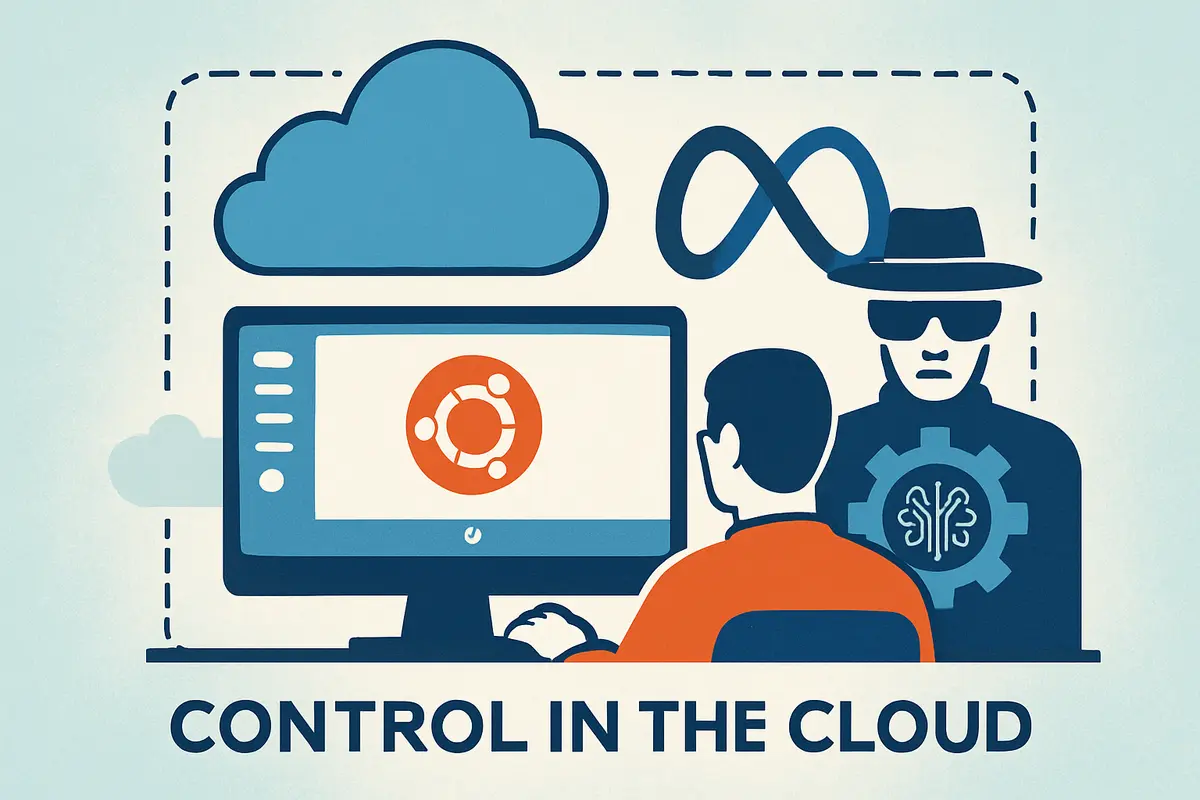
Meta’s launch of a free cloud computer running Ubuntu Linux for every Muse user is easy to mistake as a raw power play in the cloud desktop market. But this move isn’t about offering pure compute horsepower or competing on infrastructure—it’s a strategic pivot layered in control and reach.
Setting up a full Ubuntu system in the cloud with a “Sentinel” process that monitors sensitive actions sounds impressive until you realise this isn’t an open playground. Meta keeps a tight leash on what happens outside the workspace, meaning the freedom to tinker isn’t without surveillance and boundaries.
The buzz around half a million users in a week obscures the real story: Meta betting on engagement volume over raw technical superiority. Instead of pushing the envelope on AI model power like OpenAI or others, Meta is cementing itself as a gatekeeper of a distinct ecosystem. They offer a sandbox that feels expansive but is tightly curated.
For founders or CTOs eyeing cloud-hosted dev or productivity environments, this isn’t a silver bullet. It’s a reminder that “free” cloud compute from major platforms often comes with strings attached—control, lock-in, and oversight.
Meta’s Muse cloud isn’t the open Linux desktop you think you’re getting. It’s a containerized, monitored passage to their ecosystem disguised as freedom. That matters if you value sovereignty over convenience.
Leave a Reply