Category: AI News
-
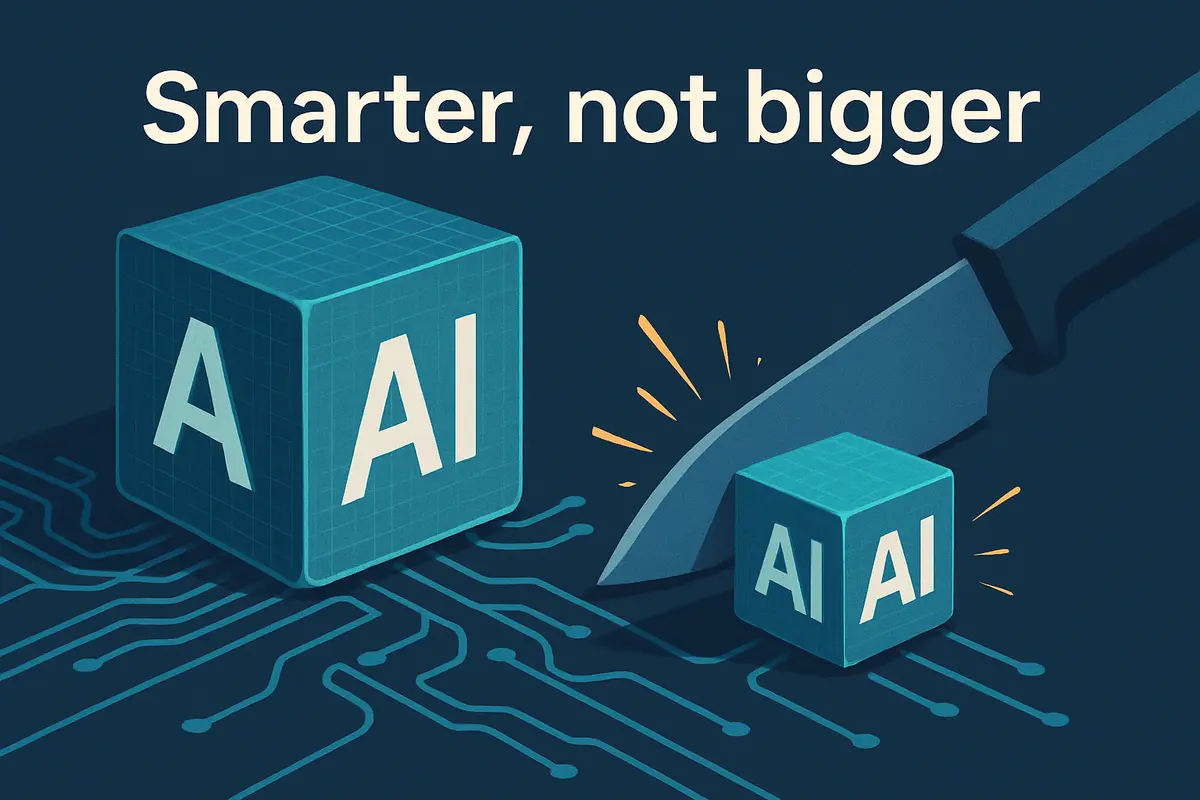
Why Poolside’s Small Coding Model Challenges The Scale Myth
Poolside’s Laguna S 2.1 proves that smaller, self-correcting coding models can outperform larger rivals, redefining AI scaling and cost efficiency.
-

The Real Contest in Browsers Is No Longer About Search Dominance
Browser competition now centers on privacy, performance, and control rather than search dominance, impacting how businesses choose their web platform.
-

Jensen Huang’s Japan Visit Signals Strategic Footprint Expansion
Jensen Huang’s visit to Japan reveals Nvidia’s strategy to deepen influence over tech and AI hardware through ecosystem-wide partnerships.
-
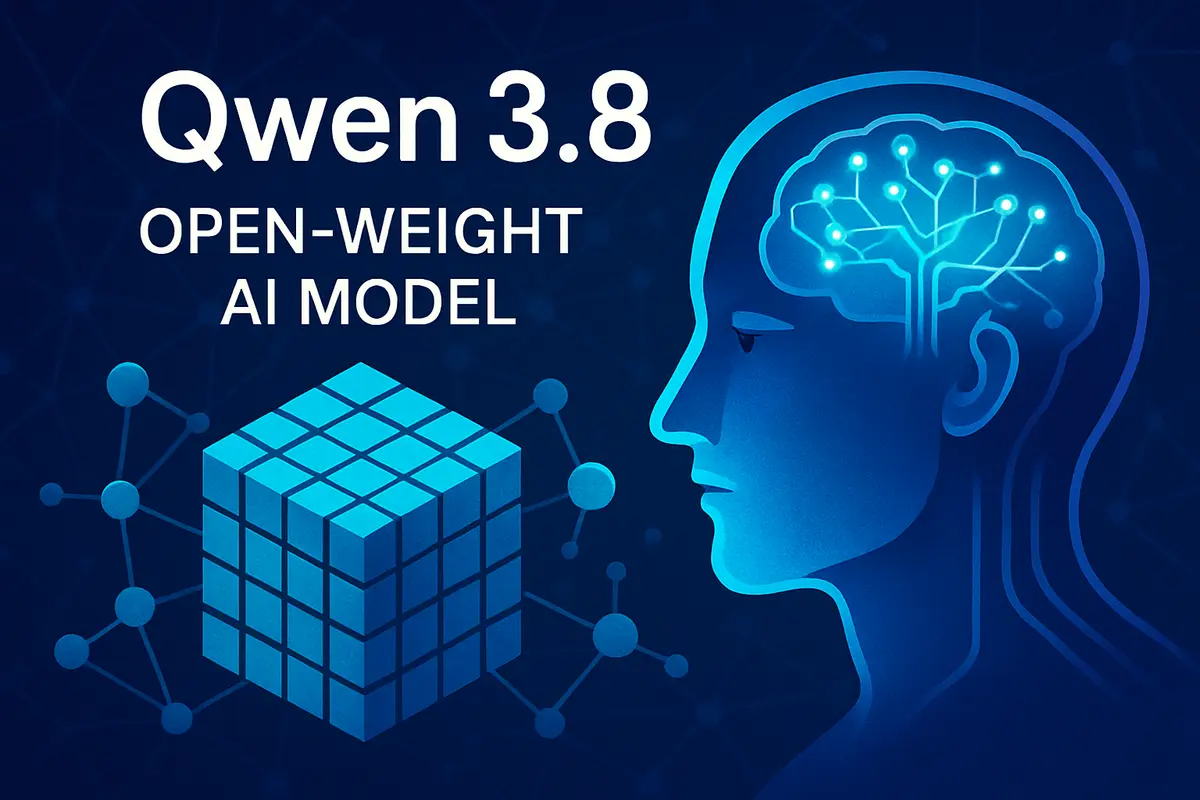
Alibaba’s Qwen 3.8 Challenges AI Giants with Open-Weight 2.4T Model
Alibaba’s Qwen 3.8 launches a 2.4 trillion parameter open-weight multimodal AI model challenging proprietary leaders with more accessible AI.
-

The AI compute gap is widening as spending outpaces insight
Enterprise AI infrastructures are expanding rapidly, but most organisations lack accurate cost visibility and run GPUs underutilised, widening the AI compute gap.
-

Linus Torvalds’ stance reveals underlying AI tool resistance myth
Linus Torvalds openly supports AI tools in Linux kernel development, challenging the myth that serious developers reject AI assistance in coding workflows.
-
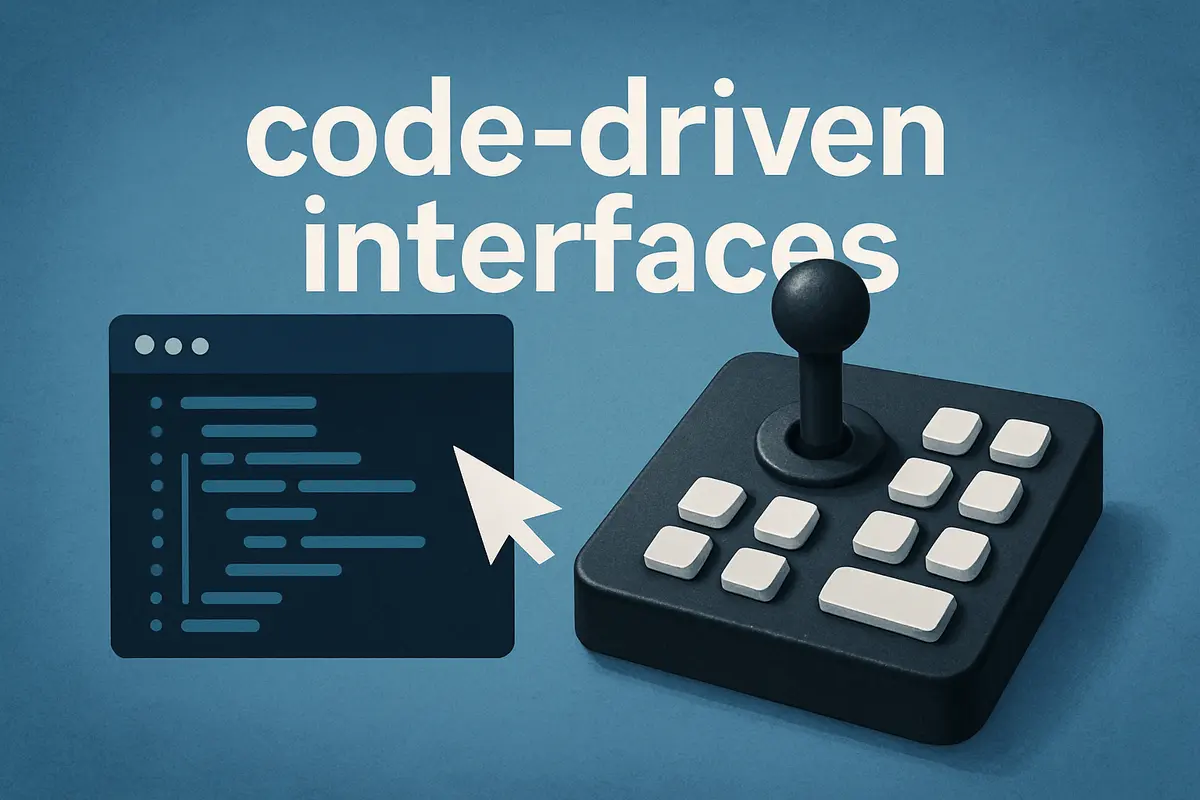
Why Physical Controls for AI Agents Miss the Point
OpenAI’s joystick controller for AI agents is a misstep that sacrifices flexibility and speed in favor of novelty, complicating developer workflows unnecessarily.
-
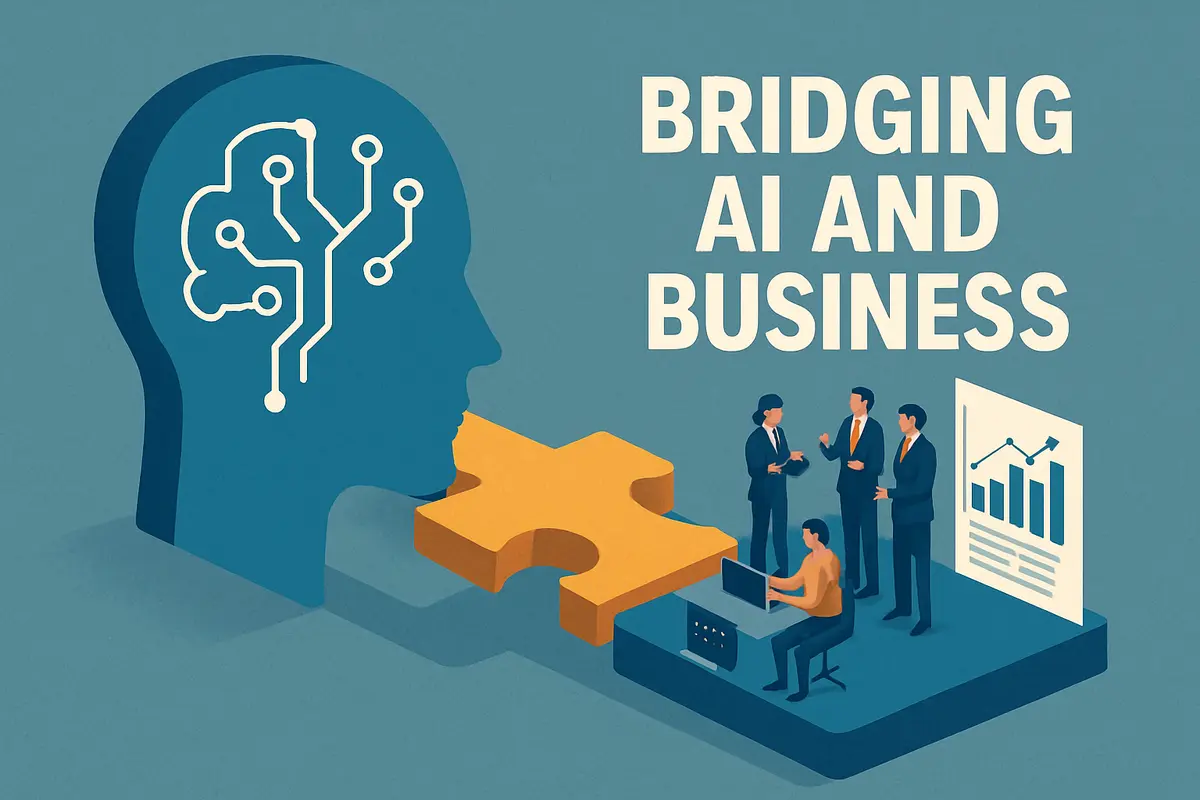
Implementation Outsells Models as the Real AI Business Bet
Anthropic and Blackstone back Ode to prioritize embedding engineers in enterprises, proving AI success hinges on implementation, not just model creation.
-
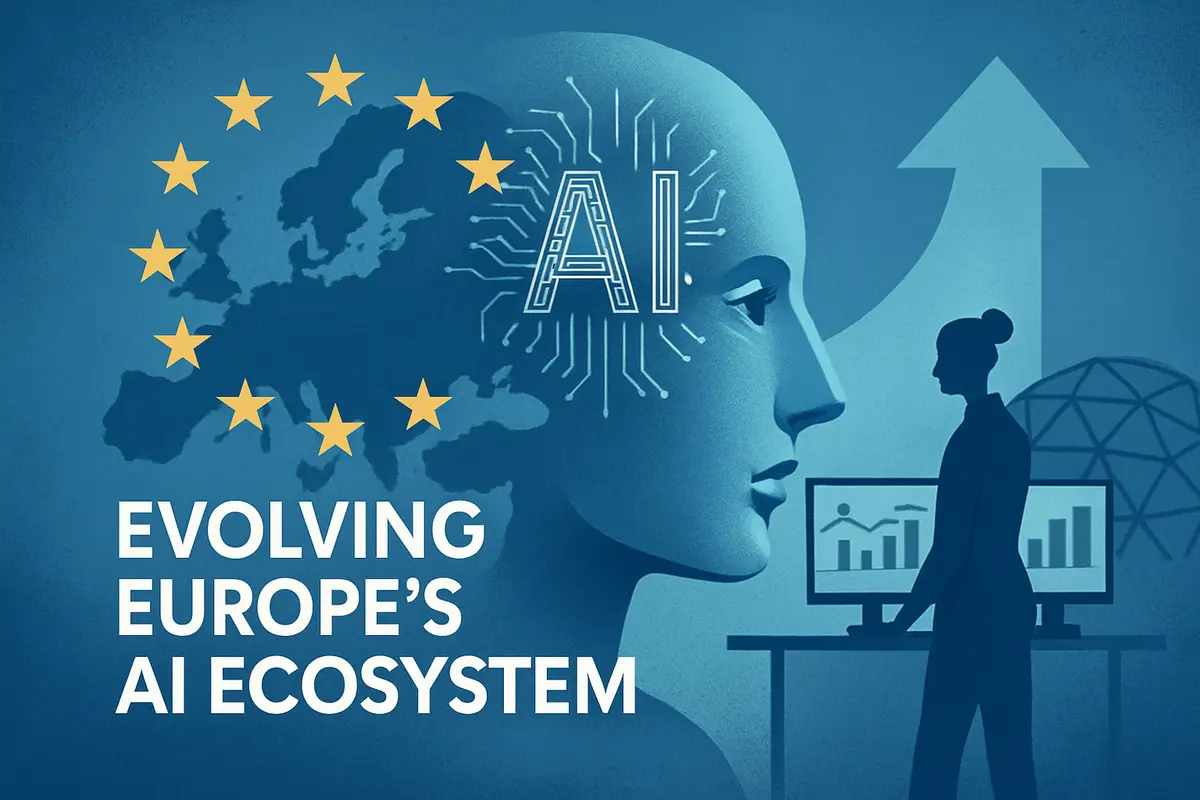
Why Station F’s AI Accelerator Signals a Strategic Shift in Europe
Station F’s F/ai accelerator is reshaping Europe’s AI startup scene by creating a strategic hub that blends talent, compliance, and commercial focus.
-
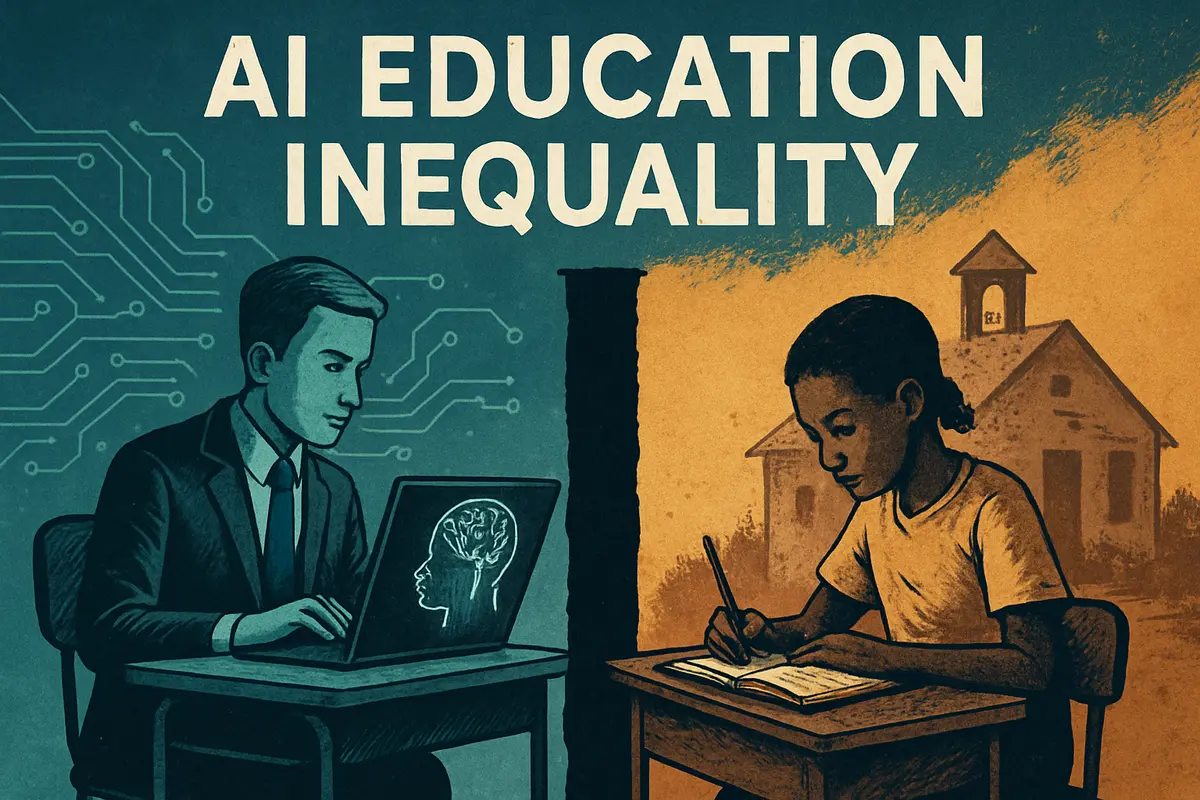
How AI Private Schools Deepen the Education Divide with High Costs
Expensive AI-enabled private schools reveal how AI in education might deepen inequalities rather than expand access to personalized learning across all communities.