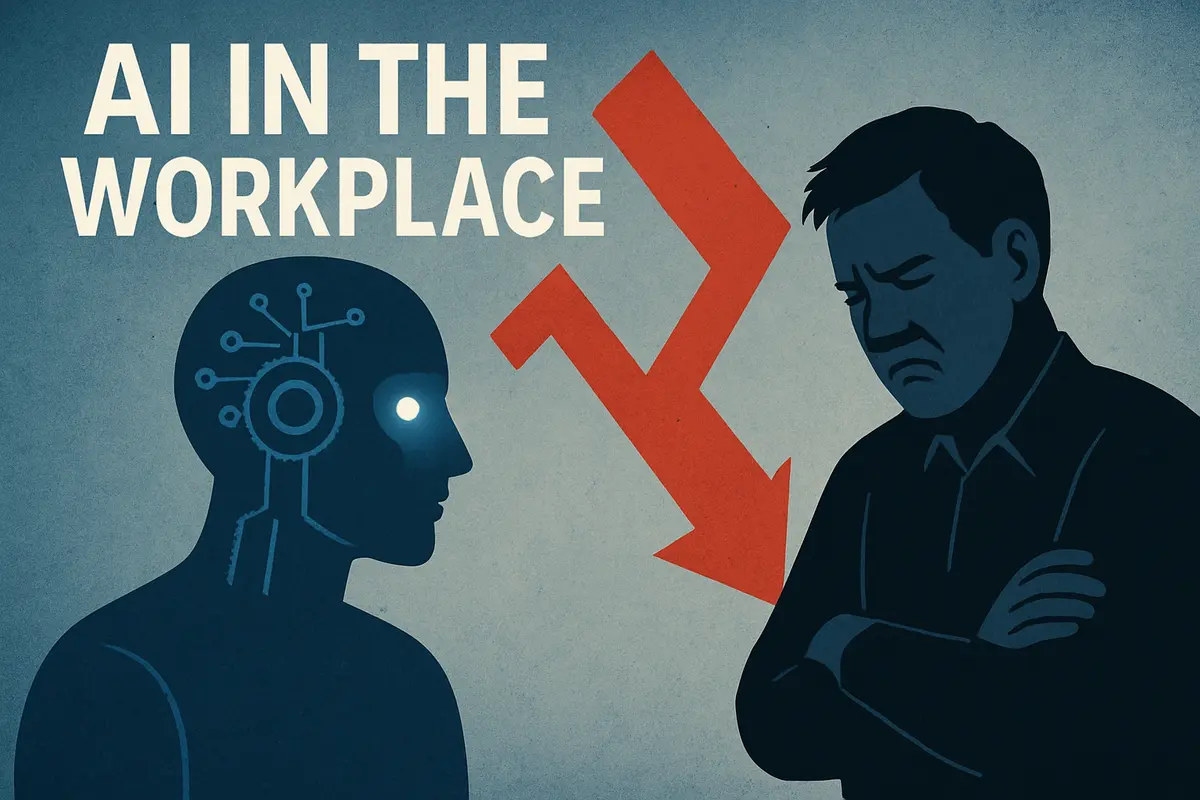
The common narrative that AI adoption in the workplace is an unalloyed good is facing a tough reality check. While executives often report positive impacts, employee sentiment paints a sharply different picture—one of frustration, fear, and resistance. Glassdoor reviews analyzed over recent years show a collapse in positive AI commentary from 81% in 2019 to just 43% now. This signals a brewing cultural and productivity problem beneath the surface.
The root cause isn’t just worry over job security. Workers report forced adoption of tools they find intrusive or unhelpful, surveillance concerns, and unrealistic productivity targets tied to AI output. The latter, in particular, risks eroding trust and morale. Accepting AI as a productivity booster without considering psychological and operational impacts will ultimately backfire.
The divergence between executive enthusiasm and frontline skepticism suggests decision-makers are out of touch with the real effects of AI. This gap risks entrenching a divide that could degrade workplace cohesion and stymie genuine productivity gains. Companies need to pause and develop nuanced deployment strategies that respect employee concerns and blend AI with human workflows thoughtfully.
Ignoring these signals invites not just ethical issues but tangible business risks. AI tools imposed without dialogue or realistic goals will breed resistance and attrition. Treating AI as a blunt instrument rather than a nuanced enabler is the real red flag here.
Leave a Reply