Nearly 70 percent of US government agencies now use generative AI. That fact alone is less interesting than the pushback emerging from public-sector unions, who are setting some of the first meaningful guardrails on AI’s expansion in the workplace.
This isn’t about abstract ethics or distant regulations — it’s about real resistance to how AI can be weaponised against workers. In Oakland, unions successfully fought a strike vote that replaced layoffs with retraining programs. In Ohio, a transport union earned veto power over autonomous vehicles, preventing unilateral deployment. California has banned intrusive “bossware” used for AI-driven surveillance and automated firing.
These examples reveal a deeper issue: AI adoption without clear boundaries invites conflict and risk. Large organisations diving in without worker protections gamble with their workforce’s trust and long-term stability.
What’s notable is how unions, often slower to react to tech changes, are now stepping in forcefully to rebalance power. It’s a pragmatic check against AI’s deployment as a blunt instrument rather than a tool with benefits shared fairly.
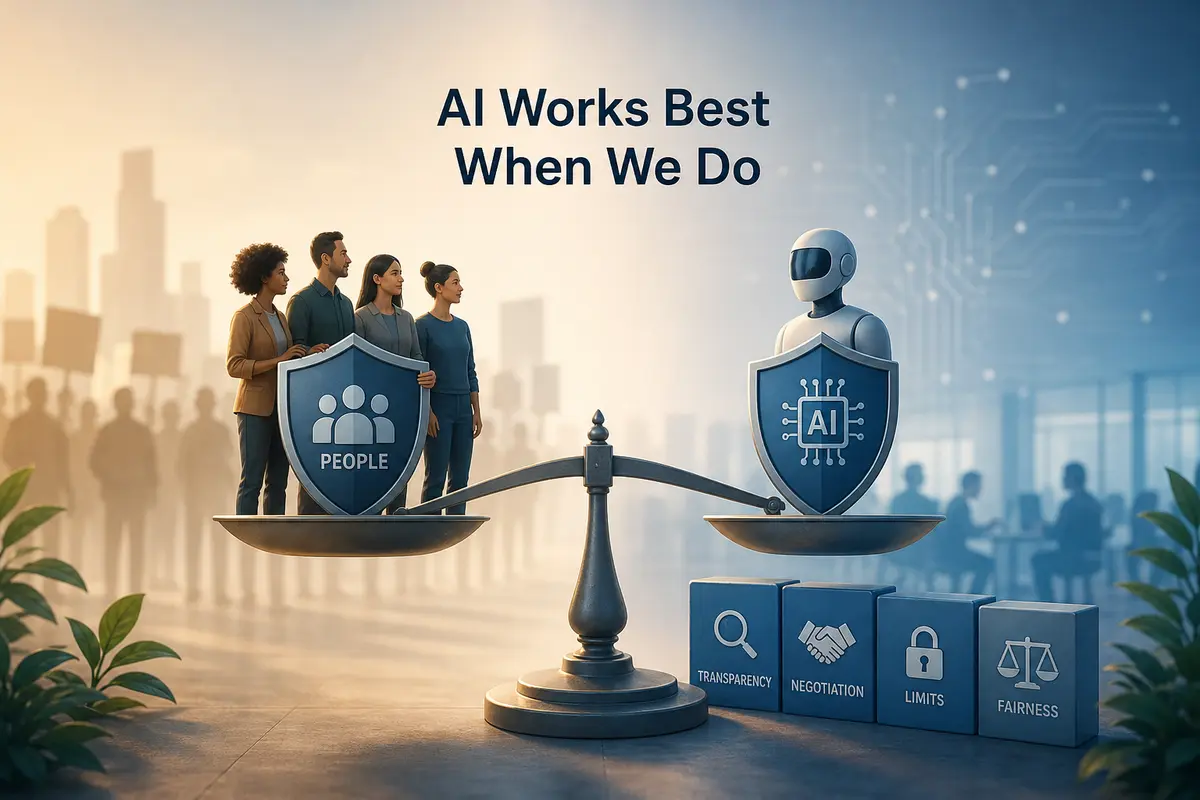
For European founders and CTOs contemplating AI tools, the lesson is clear — technical implementation without governance invites costly backlash. Human-centred AI means negotiation, transparency, and limits. Ignoring that is a strategic blind spot.
AI’s biggest challenges won’t come from the technology itself, but how workplaces choose to wield or rein it in.
Leave a Reply