
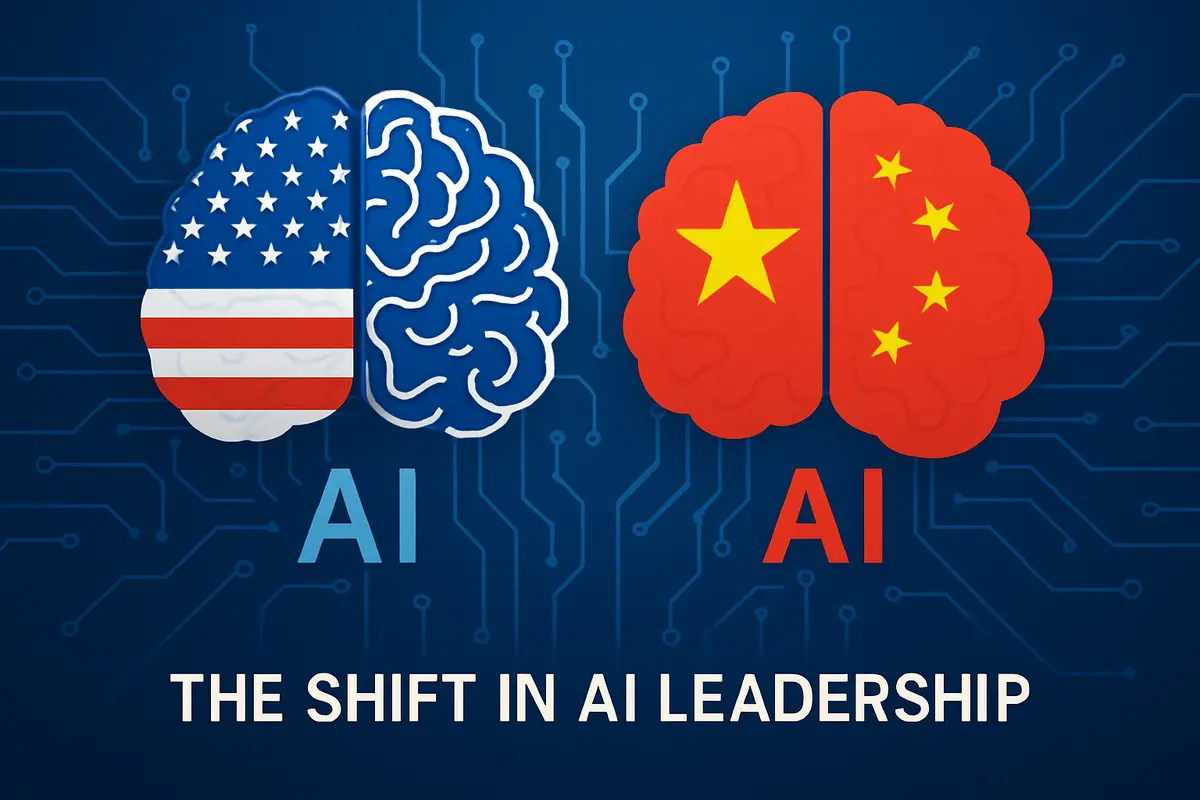
The idea that Western AI labs maintain an unassailable lead over China is no longer sustainable. Models like Kimi K3 and GLM-5.3 have closed the performance gap with the best U.S. offerings, forcing a reckoning about what AI leadership truly means.
Western researchers often blame “distillation” techniques—methods for compressing and transferring model capabilities—as a source of the Chinese surge. While this technical factor has merit, the core reality is simpler: model supremacy is transient and easily disrupted.
This shift matters beyond bragging rights or headline rankings. It signals a fundamental change in the AI innovation landscape where competitive advantage is less about raw model size or isolated breakthroughs and more about ecosystem, data access, and integration capabilities. The Western narrative of defending exclusive frontiers is outdated; future AI leadership depends on leveraging operational strengths at scale rather than on incremental model improvements.
For founders and CTOs, the takeaway is clear: betting on proprietary models as a moat is fragile. Instead, focus on how AI integrates into workflows, data quality, and automation efficiency. The evolving AI arms race underscores that chasing the absolute top benchmark model is a losing game—adaptability and pragmatic deployment will determine winners.
The Western AI lead isn’t lost, but its nature has irreversibly changed.
Leave a Reply