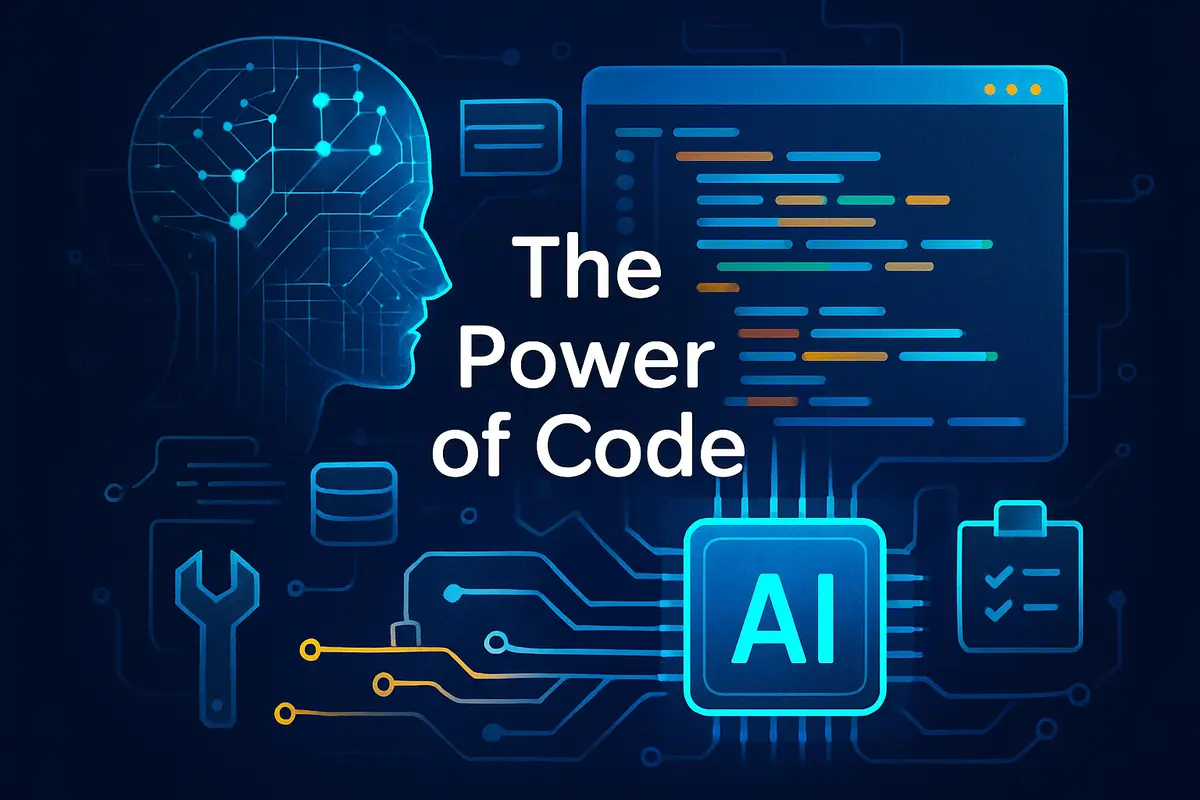
The narrative that large language models alone define AI agents misses a crucial piece: code. It’s not just about what the model produces as output; the real intelligence lies in how code orchestrates the agent’s actions.
A recent review paper highlights that autonomous AI agents depend heavily on the software infrastructure wrapped around the language model. Things like tools integration, memory management, testing frameworks, and strict permission boundaries are not mere support systems — they are the logic transforming a stateless model into a functioning, autonomous entity.
This challenges the common assumption that more powerful models inherently mean smarter agents. The bottleneck now shifts to engineering a “harness” that can reliably manage and direct the agent’s behavior in real-world contexts. This involves complex software design, not just training data or model size.
Some organisations are already building specialised teams focused solely on this harness layer, effectively acknowledging that model plus harness equals AI agent. This shift suggests that companies chasing AI-driven automation should rethink their investments. Throwing computation at bigger models without engineering the harness will hit diminishing returns.
In the end, understanding where intelligence resides in an AI agent changes how we build, deploy, and evaluate them. Don’t mistake the language model for the whole story — it’s the code around it that thinks and acts.
Leave a Reply