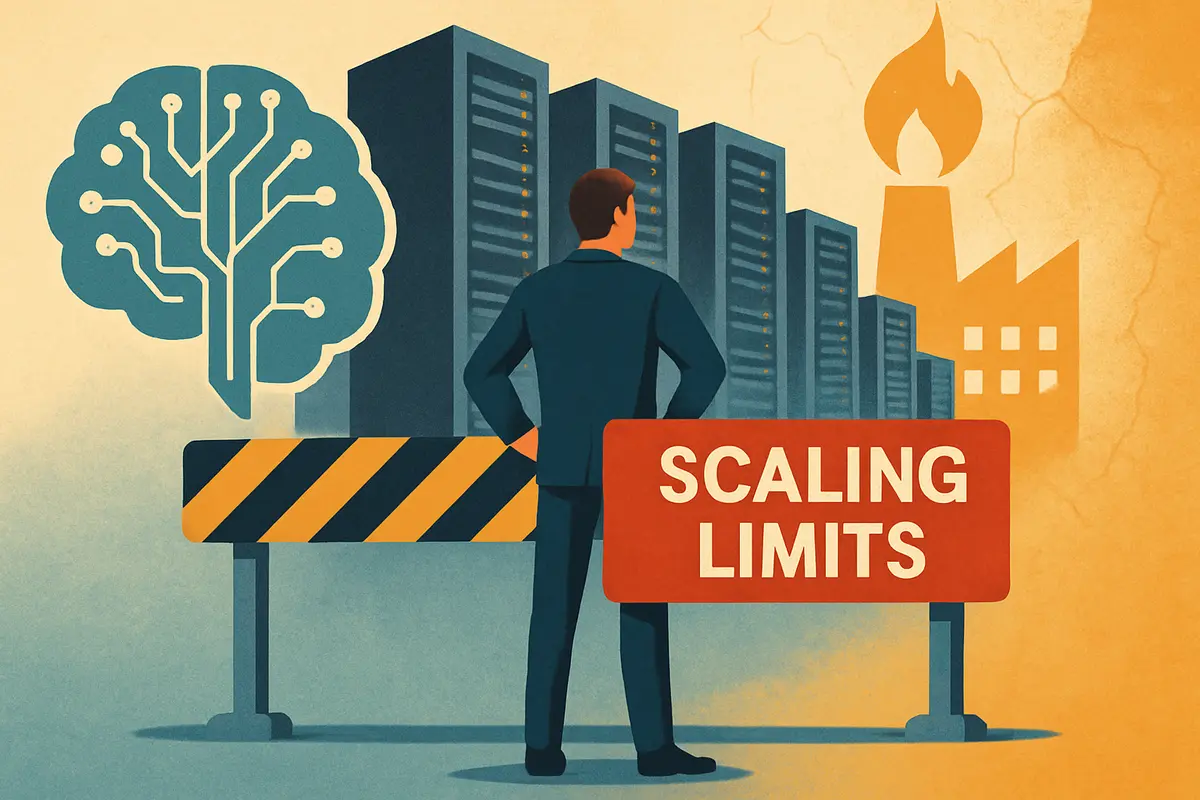
The conversation around AI often assumes that compute capacity will keep scaling indefinitely, but this assumption is dangerously shortsighted. At the core of AI’s rapid progress is relentless growth in compute power and energy consumption. Yet, physical and economic limits are tightening. The reality is that we are approaching a point where throwing more hardware at the problem becomes unsustainable.
Cerebras Systems’ approach highlights this emerging bottleneck. Instead of following the incremental hardware scaling path, they rethink architecture and infrastructure to tackle energy and compute demand differently. This shift is not hype; it’s a necessary evolution. Current AI hardware designs are optimized for scale-out, but they encounter diminishing returns and immense costs—not just financial, but also environmental.
If we ignore these constraints, the forward momentum in AI could stall, or worse, become accessible only to the largest players who can afford the infrastructure. This raises questions about centralization and increased vendor lock-in—factors few founders and CTOs have properly accounted for.
Better architecture and smarter infrastructure investments are the real inflection points. For anyone building or adopting AI tech now, understanding these hard limits and emerging alternatives is essential. The unexamined faith in endless scaling is the real risk to watch—long before the models themselves hit a wall.
Leave a Reply