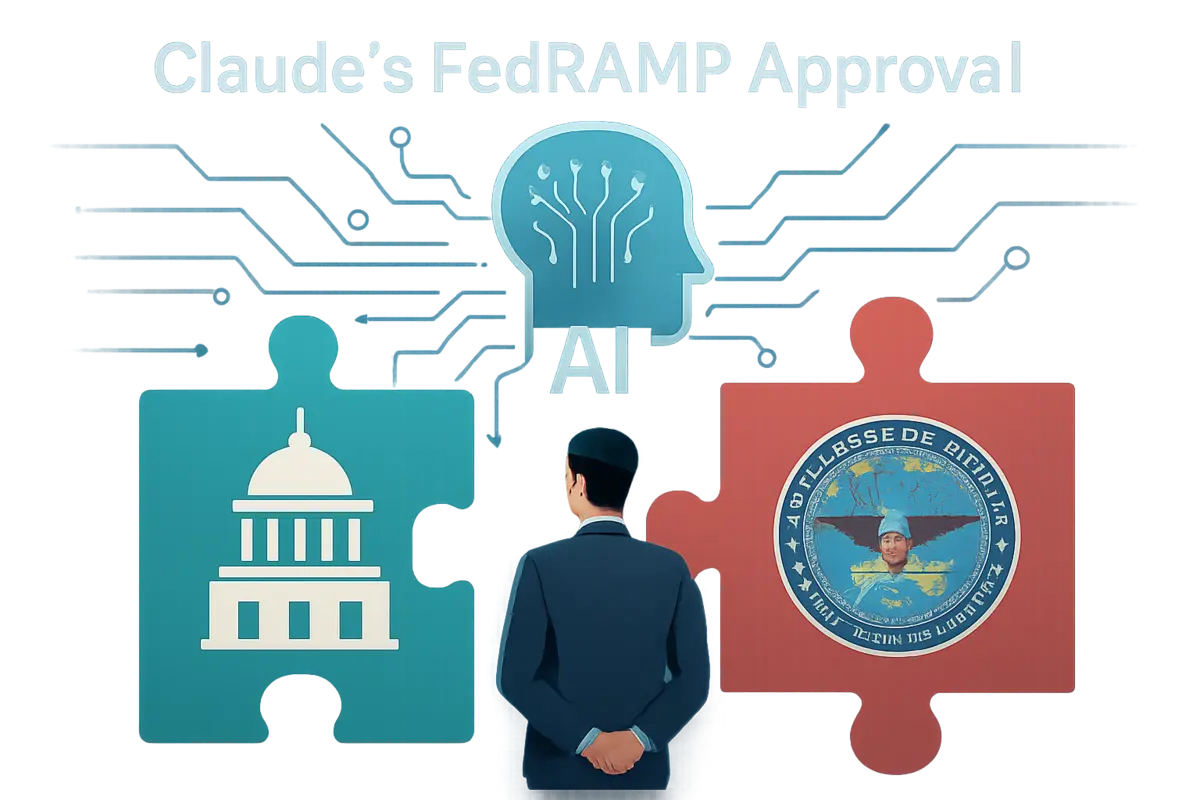
Anthropic’s push of Claude into US federal and state civilian agencies offers a nuanced view of AI adoption where security meets real use cases. Running Claude in a FedRAMP High environment means meeting the strictest cloud security standards required for sensitive government workloads. On paper, this should be a mark of maturity and trust. Yet, despite this, the Pentagon remains sidelined, labeling Anthropic a supply chain risk.
This highlights a seldom-discussed second-order effect in government AI adoption: a bifurcation in vendor trust that creates parallel markets within the public sector. Civilian agencies can implement Claude with budget controls and usage-based pricing, fostering experimentation and gradual integration. Meanwhile, military divisions hold out, wary not just of AI performance but supply chain transparency and geopolitical risk. This split means vendors need more than a technically secure offering; they must navigate complex national security considerations, which affect longer-term contracts and roadmap decisions.
For companies building technology aimed at government buyers, this is a cautionary tale. Security certifications alone don’t guarantee access to every part of the government. Entanglement with supply chain vetting, clearance issues, and risk perception shapes which agencies can adopt and when. This dynamic will push vendors to diversify trust channels and potentially develop bifurcated solutions that separate civilian-friendly and defense-hardened services.
The headline is Claude’s FedRAMP approval, but the hidden story is how fractured government risk assessments shape AI adoption in unpredictable ways.
Leave a Reply