
Tag: AI for Business
-

Why Language Models Alone Can’t Trigger Scientific Revolutions
Language models excel at text but lack the cognitive tools to spark true scientific revolutions, highlighting the need for world models in AI research.
-

AI Agents Learning from Sales Calls Won’t Replace Human Judgement
Encore AI’s new platform analyzes sales calls to build AI playbooks, but human judgement remains essential for real sales success beyond data patterns.
-
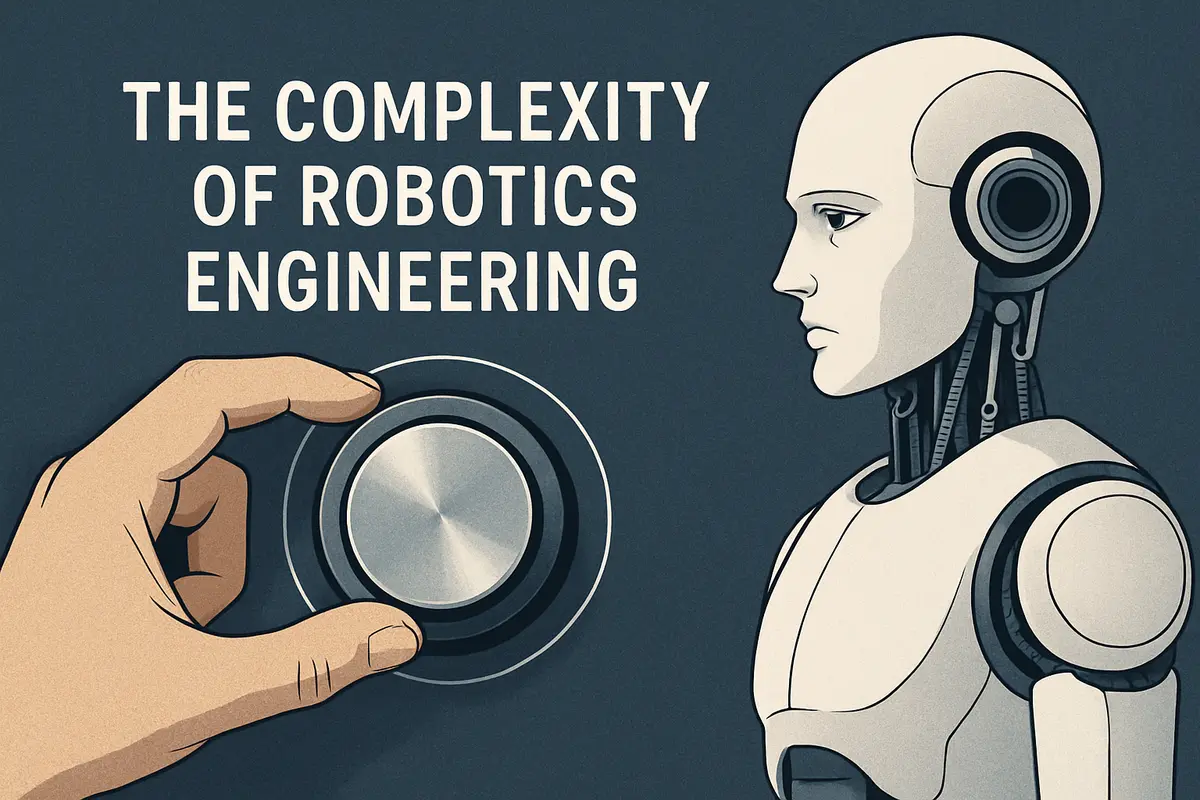
Why Raising $70M to Simplify Robot Control Is Overhyped
Enigma’s $70M funding round promises simple robot control but overlooks the entrenched complexities of robotics engineering. A critical take on the hype.
-
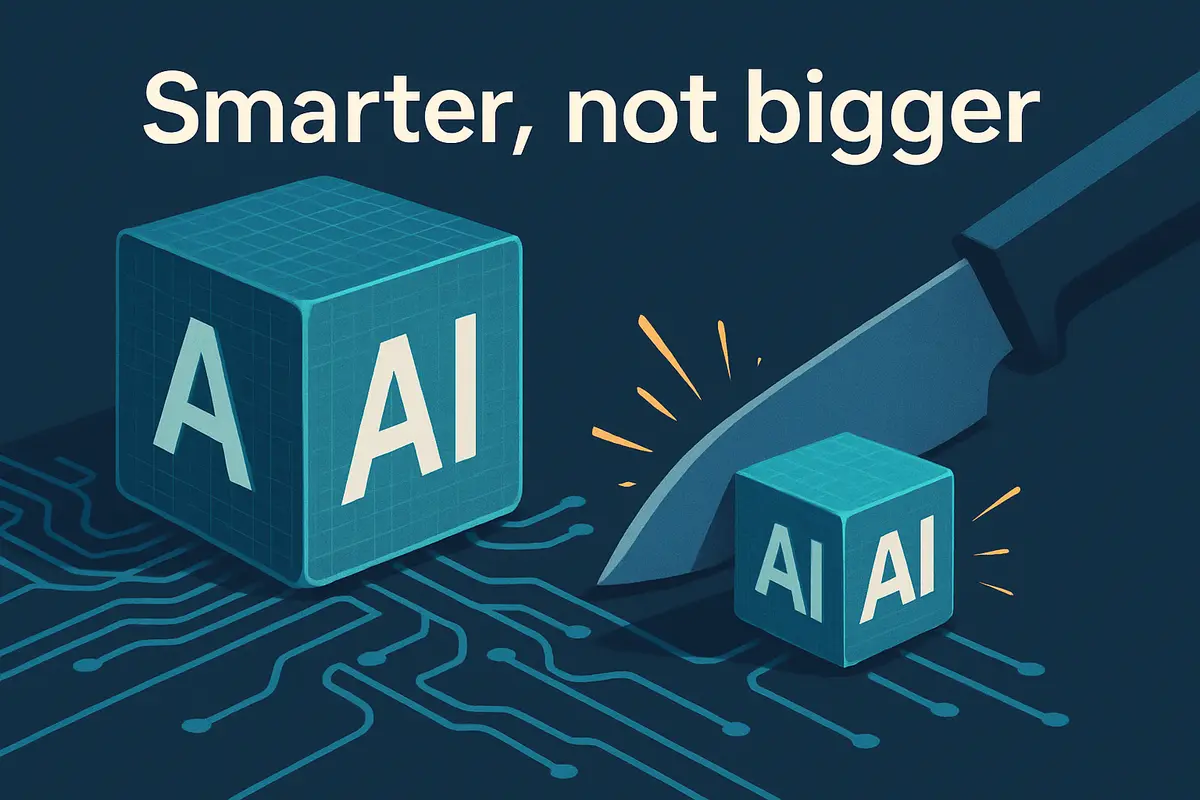
Why Poolside’s Small Coding Model Challenges The Scale Myth
Poolside’s Laguna S 2.1 proves that smaller, self-correcting coding models can outperform larger rivals, redefining AI scaling and cost efficiency.
-

Jensen Huang’s Japan Visit Signals Strategic Footprint Expansion
Jensen Huang’s visit to Japan reveals Nvidia’s strategy to deepen influence over tech and AI hardware through ecosystem-wide partnerships.
-
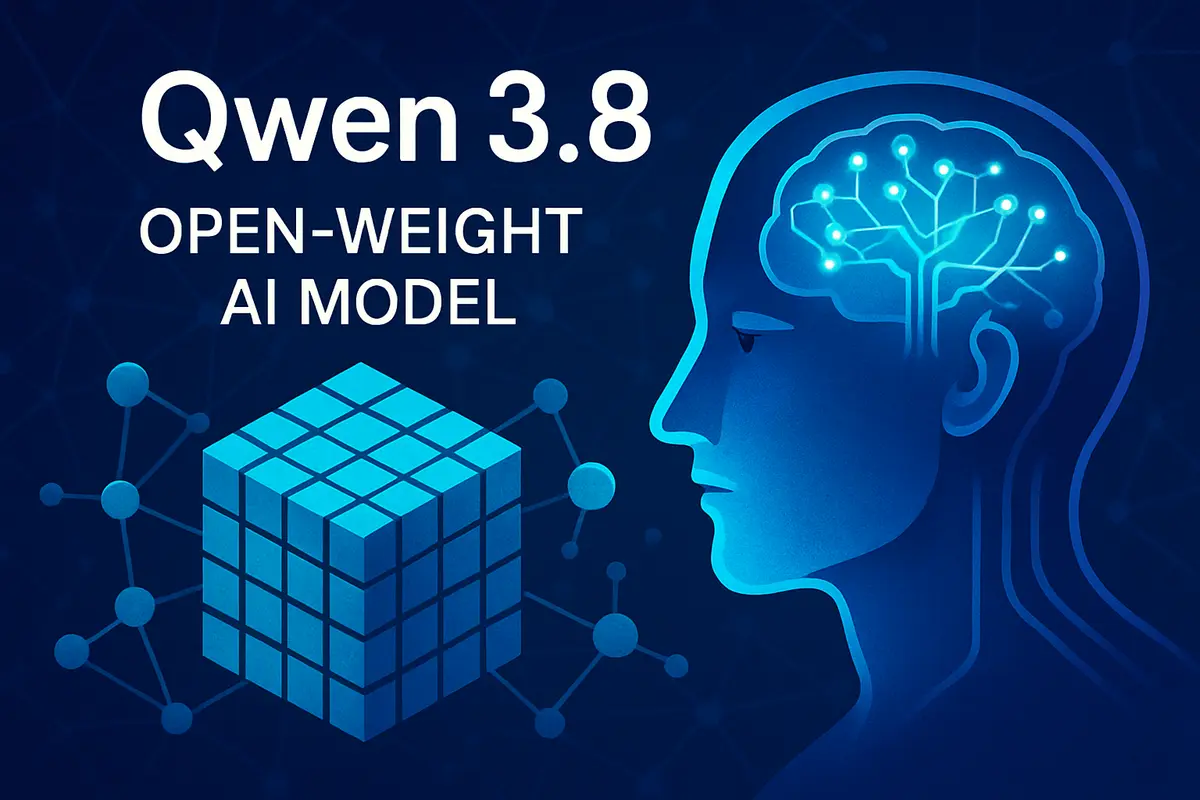
Alibaba’s Qwen 3.8 Challenges AI Giants with Open-Weight 2.4T Model
Alibaba’s Qwen 3.8 launches a 2.4 trillion parameter open-weight multimodal AI model challenging proprietary leaders with more accessible AI.
-

Linus Torvalds’ stance reveals underlying AI tool resistance myth
Linus Torvalds openly supports AI tools in Linux kernel development, challenging the myth that serious developers reject AI assistance in coding workflows.
-
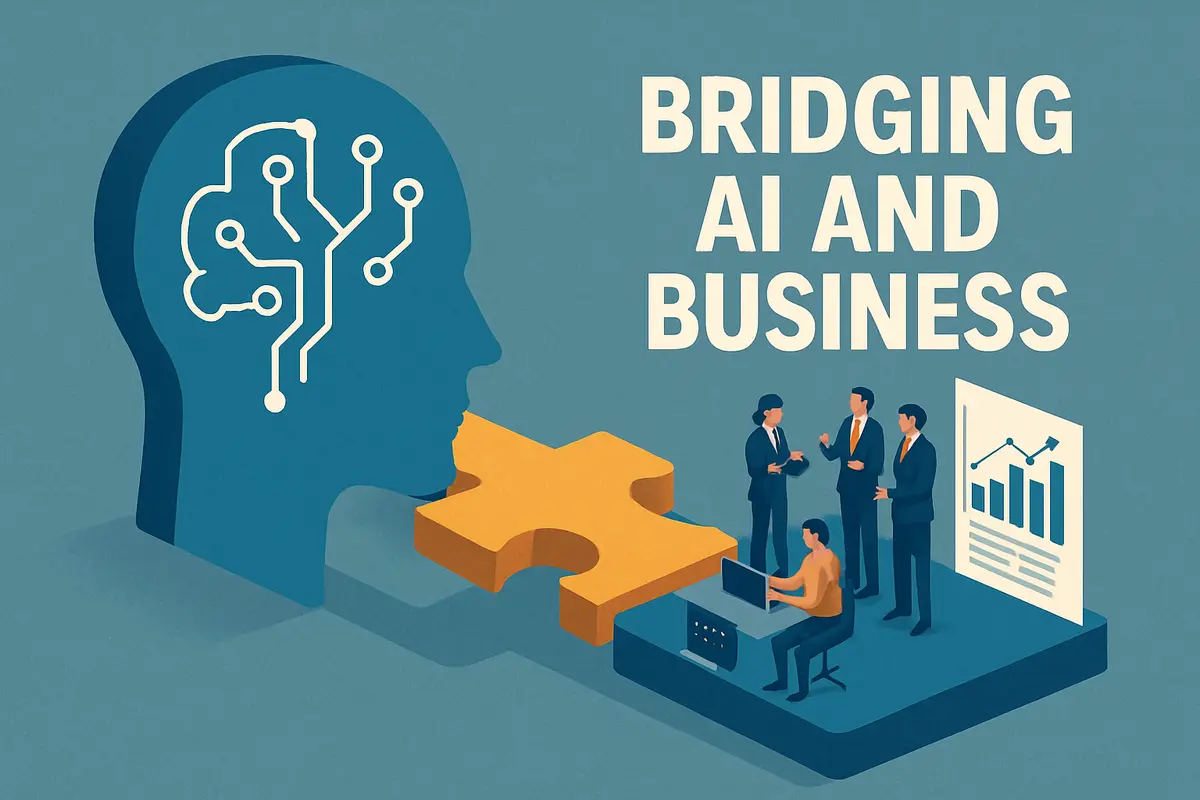
Implementation Outsells Models as the Real AI Business Bet
Anthropic and Blackstone back Ode to prioritize embedding engineers in enterprises, proving AI success hinges on implementation, not just model creation.
-

Why Leading AI Models Fail Financial Document Tests
Leading AI models like GPT and Claude fail finance tests due to lack of access to proprietary answers, showing the limits of public-data training for specialised tasks.
-
Why Proception’s Approach to Robotic Hands Misses the Real Challenge
Proception’s focus on data collection for robot hands overlooks the core robotics challenge: complex control and sensory processing in dynamic environments.