Proception’s recent headline-grabbing settlement with Tesla and an $11M raise might look like a decisive step forward for robotics. But their strategy of focusing on novel training data collection for robot hands is missing a deeper, more stubborn problem.
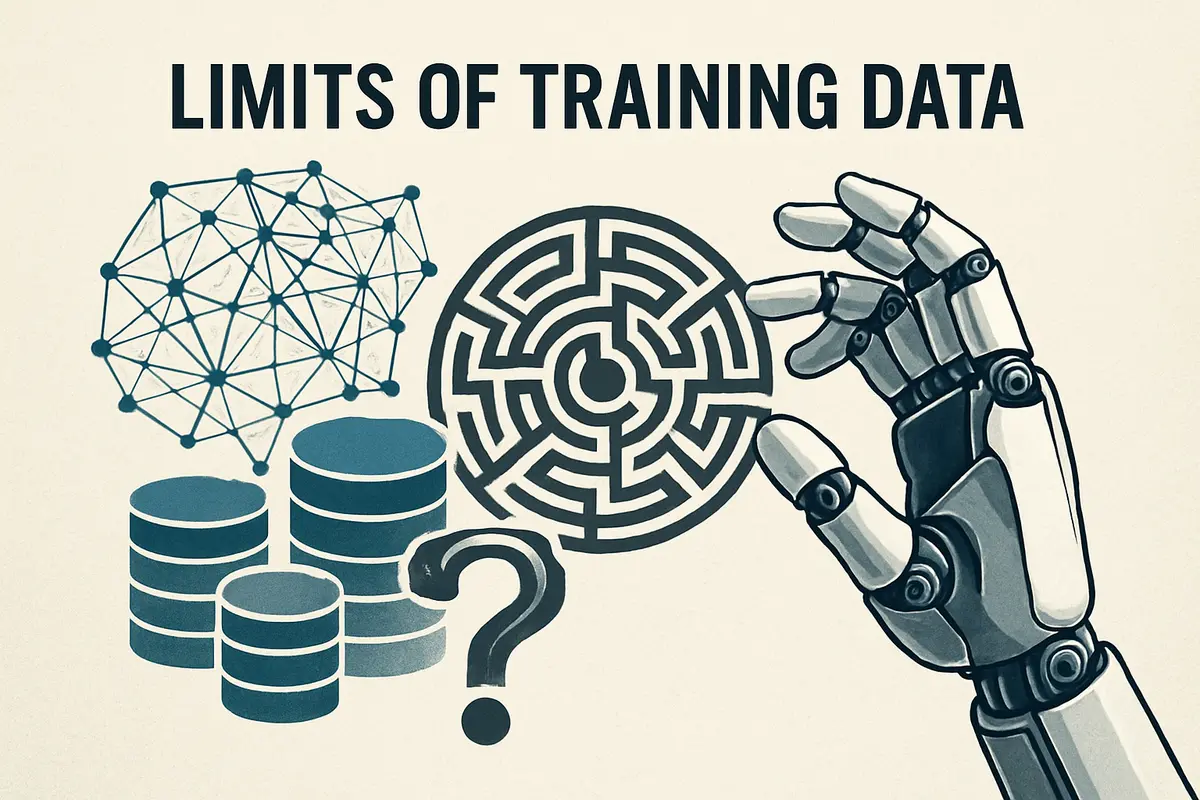
Robot hands aren’t just hard because we lack enough data. The real barrier is the inherent complexity of dexterous manipulation in unpredictable environments. Collecting more varied examples is useful, but it barely scratches the surface of the underlying control and sensory challenges. Most current datasets still fail to capture the nuanced feedback loops a human hand naturally processes.
This obsession with data parallels the broader AI trend: throw more data at the problem and hope complexity evens out. Yet hands are a physical interface with the world, meaning their learning must incorporate physics, material dynamics, and real-time adaptation—not just images or motion capture sequences.
The legal spotlight from Tesla’s trade secret suit might signal technical breakthroughs, but there’s good reason to be skeptical about quick wins from training data alone. Robotics, especially hands, requires progress on hardware-software co-design and control theory as much as clever datasets.
Founders who think Proception’s model is a shortcut are setting themselves up for the same frustrations that have defined robotics for decades. There are no shortcuts when your “data problem” is fundamentally a physics and control problem.
The takeaway is clear: investing in better training data won’t replace the hard work of robotics engineering.


Leave a Reply