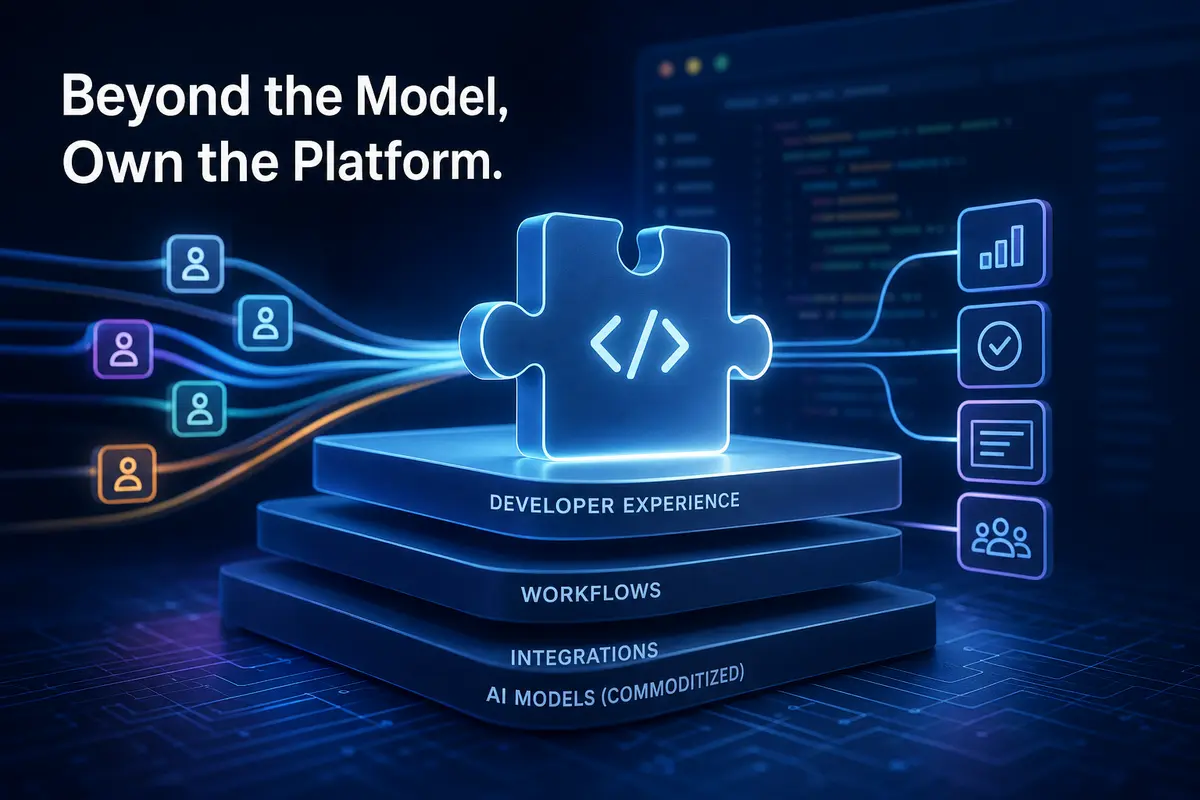
In recent years, major technology companies have accelerated their acquisition of AI coding startups such as Conductor, Pierre Computer, and Stainless. While it might seem that the primary value lies in the AI models themselves, this perspective overlooks the larger strategic picture. The truth is that AI models are increasingly commoditized—standardized and interchangeable components that serve as the foundation for various AI-powered applications but no longer provide a significant competitive edge by themselves.
Instead, the real prize lies in the platforms surrounding these models: the developer tools, interfaces, and ecosystems that make AI usable, productive, and integrated into workflows. For example, Conductor offers technology that enables developers to manage multiple AI coding agents simultaneously, creating a lock-in effect via the developer experience rather than the underlying model. This kind of orchestration and workflow integration ensures that switching underlying AI models causes minimal disruption but changes in tooling or interfaces can create strong user retention.
This shift redefines where value is created in the AI space. Rather than investing heavily in building a proprietary model, companies now focus on how AI fits into the broader developer pipelines. Ownership over the tooling environment and the control of workflows provides a defensible moat against competitors. Founders and technical leaders should therefore look beyond just model performance and examine how their AI strategies influence developer productivity and ecosystem control.
Ultimately, understanding this transition is crucial for any entity looking to thrive in AI-powered software development. Without attention to ecosystem control and the stickiness of tooling, investments solely in AI models risk being commoditized and quickly overtaken by competitors who master the surrounding platform and integration layers.
Leave a Reply