The early AI gadgets hype overlooked a simple truth: solving real user problems is not the same as showcasing technology for its own sake.
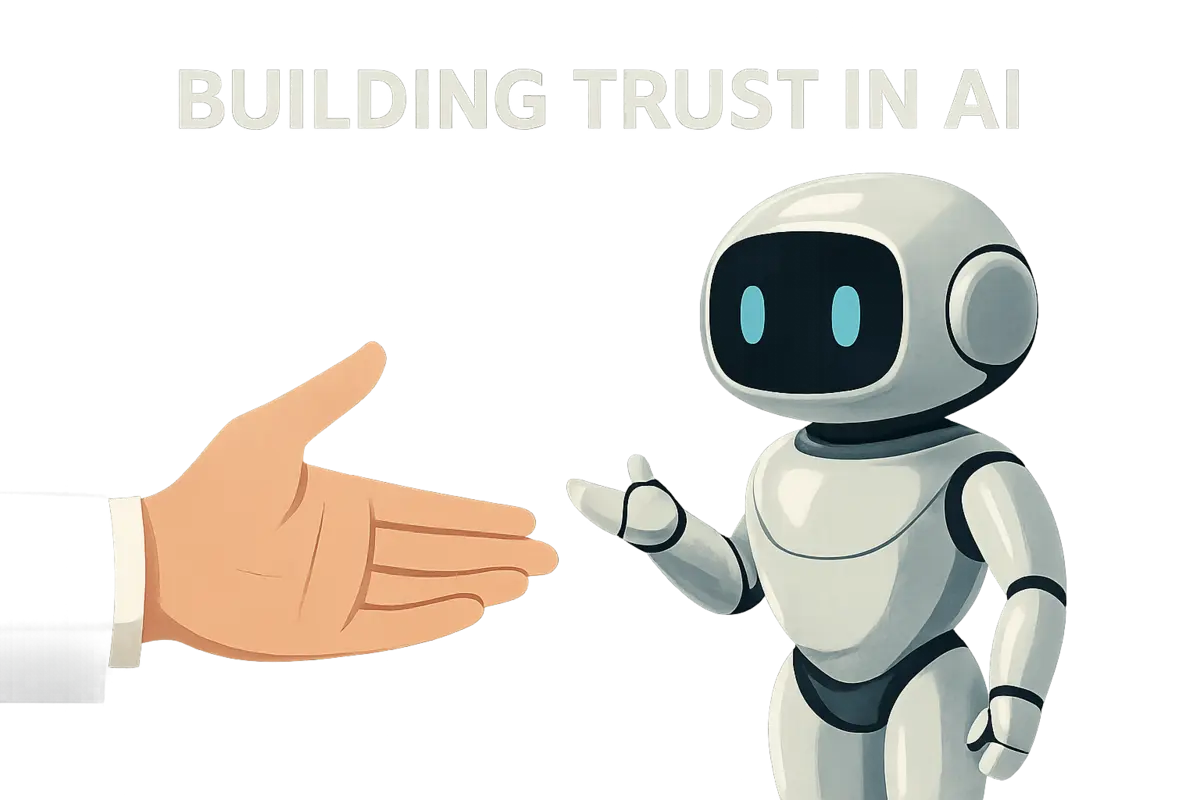
Tony Fadell, known for pioneering the iPod, has pointed out that the initial wave of AI devices failed because they didn’t earn consumers’ trust or demonstrate clear value.
Most early AI gadgets were marketed as shiny novelties rather than tools integrated into everyday workflows. They focused on flashy features instead of reliable, frictionless user experiences. This caused a cycle of disappointment for buyers and skepticism for investors.
What this means is that the real challenge for AI hardware and assistants isn’t just the tech capabilities but the subtle art of trust-building, simplicity, and genuine utility. The next wave has to marry robust engineering with user-centric design — teaching AI what practical problems really look like in business and life.
For founders and tech leaders, this perspective pushes us to reframe AI projects. Instead of chasing buzzworthy demos, the priority is to identify stubborn pain points AI can realistically solve today, not in some distant future.
It also means investing in data privacy, transparency, and long-term support to build lasting relationships that AI’s first generation glossed over.
Trust is the currency AI gadgets ran out of, and without winning it back, the technology won’t move beyond niche curiosities.
Leave a Reply