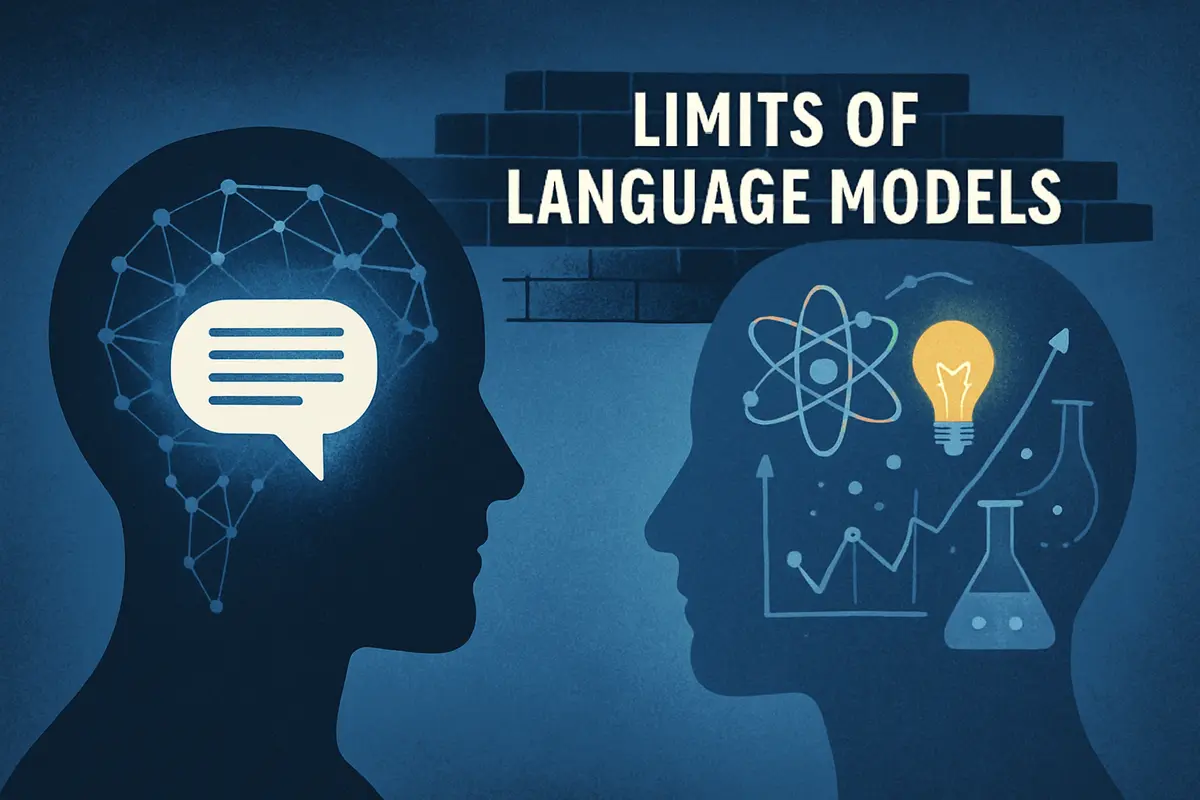
Language models have grabbed all the headlines for AI breakthroughs, but they have a fundamental limitation when it comes to generating genuinely new scientific insights. They operate by predicting the next word or phrase based on massive text corpora, which means they excel at pattern recognition and language generation, not at crafting novel concepts.
The missing piece is what some researchers call a “world model”—a structured, causal understanding of how the environment works beyond just text. Without that, language models are confined to remixing existing knowledge rather than jumping to new scientific paradigms.
This distinction matters because it exposes the hype around current generative AI. While GPT-style models can assist with writing papers or summarizing research, they fall short of innovating on their own. Scientific revolutions require the ability to hypothesize, experiment mentally, and infer unseen mechanisms. Language models have none of that capability; they lack the cognitive architecture to reason about the physical world.
The broader implication is that chasing breakthroughs solely through scale and better language data won’t get us there. Investment needs to pivot towards integrating causal models, simulation, and embodied understanding. If we keep treating AI like a language puzzle, we’ll sidestep the real challenge of machine-driven discovery.
Accepting this gap means tempering expectations and redirecting efforts to build AI that can truly contribute new knowledge rather than just echo the past.
Leave a Reply