
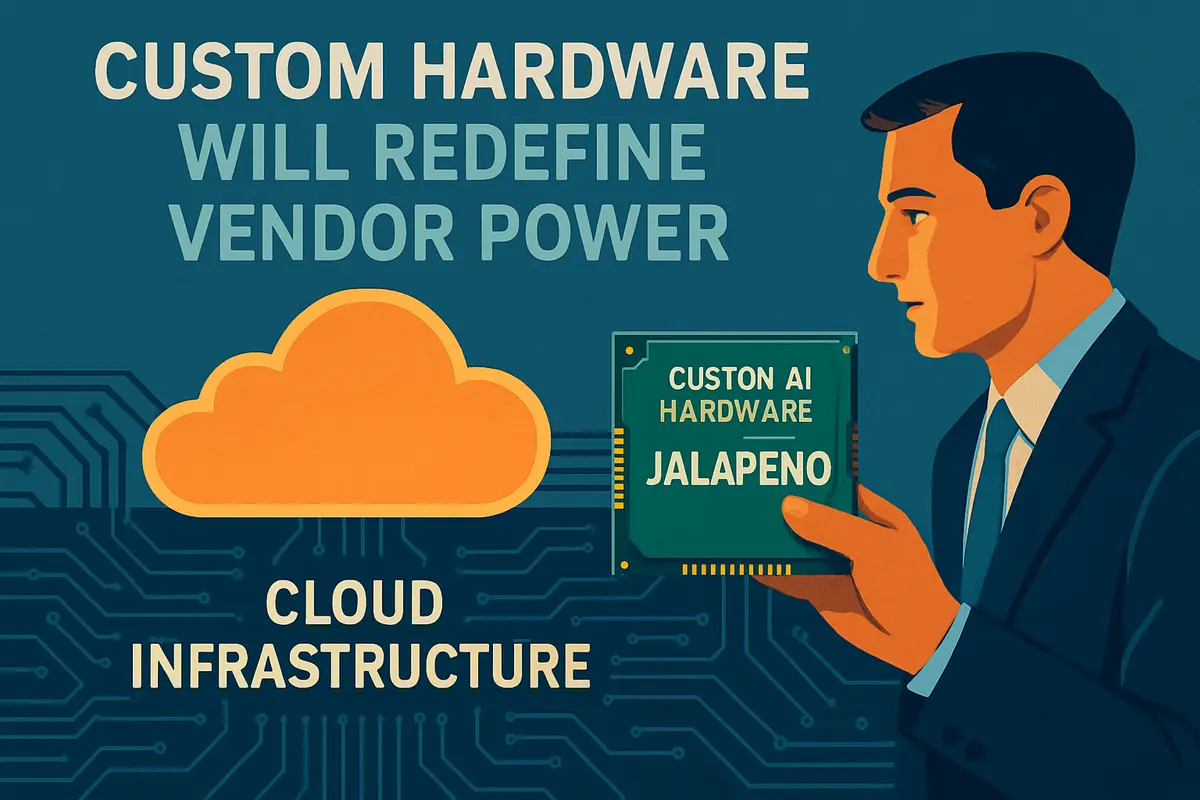
OpenAI building a custom chip named Jalapeño is less about raw innovation and more about controlling future costs and dependencies. While the headlines celebrate a custom silicon breakthrough, the real story lies in how this changes control over AI infrastructure. Their choice to partner with Broadcom and create something tailored to their inference needs is a hedge against rising cloud expenses and vendor lock-in.
Many startups and mid-size firms have grown dependent on generic cloud GPU instances or third-party providers. OpenAI’s move highlights how, at some scale, that reliance becomes a strategic risk. Broadcom’s involvement suggests the chip is optimized not only for AI workload performance but also for stable supply chains and integration with existing large-scale data centre ecosystems.
Importantly, this chip won’t fix the fundamental cost challenges smaller companies face accessing state-of-the-art AI. But it sets a precedent: AI companies that can afford it will build bespoke infrastructure to stay competitive and control costs, while the rest will remain users at the mercy of cloud pricing.
For founders and tech leaders, this signals a coming bifurcation in AI infrastructure — one where owning your tech stack is a competitive moat, not just a luxury.
Custom hardware will redefine vendor power.
Leave a Reply