
Category: AI News
-
Microsoft’s Data Claims Don’t Hold Up Under Detailed Scrutiny
Microsoft claims its MAI models use only licensed, clean data, but closer analysis reveals reliance on unlicensed web sources similar to other AI labs.
-
Why Proactive AI Will Fail to Solve Employee Adoption and Cost Issues
Proactive AI promises constant background action, but the real problems of employee adoption and cost remain unaddressed and may get worse.
-

UK’s AI Search Opt-Out Rule Reveals Bigger Risks For Data Control
The UK’s new rule letting publishers opt out of AI search unveils deeper risks around data control, vendor lock-in, and rising AI costs globally.
-

DuckDuckGo’s No-AI Search Extension Defies The Trend
DuckDuckGo’s new no-AI search extension rejects the AI-driven results trend, appealing to users prioritising privacy and straightforward search experiences.
-
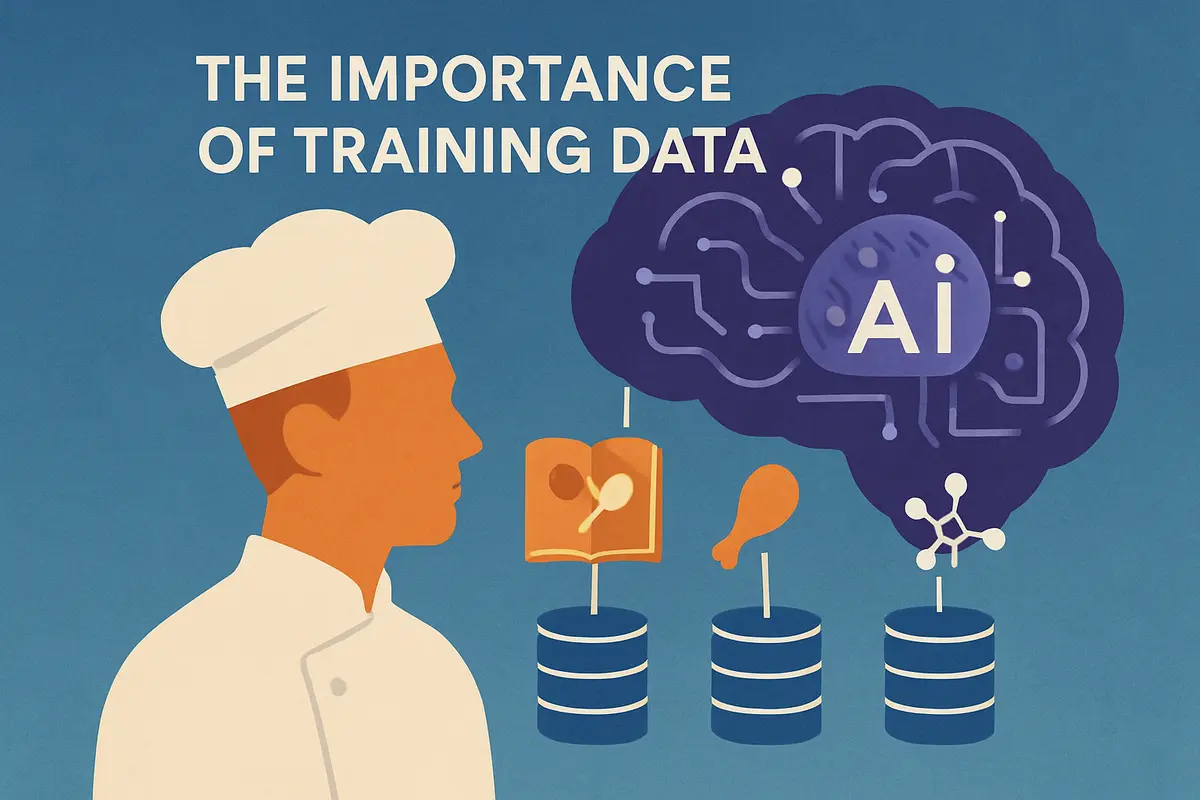
Why AI Taste Pairing Depends on Data Source, Not Just Tech
Kaikaku.AI’s Epicure shows AI food pairing depends more on training data type—recipe or molecular—than on algorithm sophistication alone.
-
Code as the True Intelligence Behind Autonomous AI Agents
Autonomous AI agents aren’t defined by language models alone but by the software “harness” that turns output into meaningful action, redefining intelligence.
-

Why Google’s Coral Board Signals a New Era for On-Device AI
Google’s Coral Board introduces on-device AI with the Gemma 3 chip, forcing a rethink on cloud dependency and edge computing strategies.
-

Startup Battlefield 200 Marks Another Year of Startup Funding Frenzy
The Startup Battlefield 200 deadline is here. Understand why chasing funding hype in startup competitions can misalign priorities and obscure sustainable growth.
-

VC Pitch Access Won’t Save Startups Without Strategic Focus
Startup pitch competitions offer VC access and visibility, but without product-market fit and execution, they risk accelerating failure rather than success.
-
Why Question-Driven Training Outperforms Transcription in LMMs
ByteDance’s 7B parameter LMM shows question-driven training on long documents beats transcription, challenging assumptions about model scale and task design.