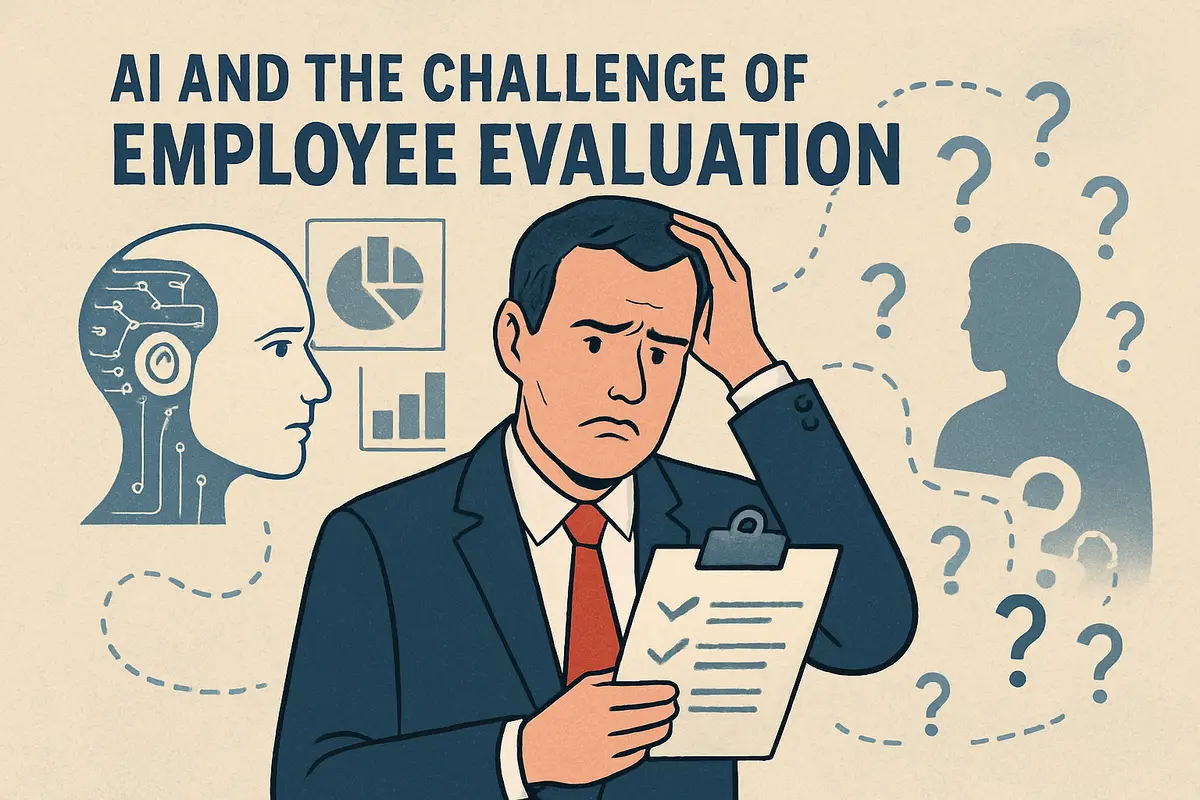
The widespread assumption that AI will streamline management tasks is facing a stark reality check. Contrary to popular belief, more than half of managers report that evaluating their teams’ work has become harder since introducing AI tools.
This is not a question of individual resistance or lack of tech savviness. The root cause lies deeper in how AI-generated outputs disrupt traditional performance metrics. Automated processes often obscure the granular detail managers rely on to assess effort and impact, making straightforward productivity tracking feel like guesswork.
Managers are now navigating a landscape where AI delivers outputs without clear attribution of human input or skill. This disconnect challenges long-held evaluation frameworks and risks disengaging managers from meaningful oversight. The promise of AI boosting productivity is real—but the management layer that oversees output quality and employee development is currently underserved by the technology.
Companies rushing to deploy AI tools without rethinking managerial roles or investing in new evaluation methods are likely to face this headache more acutely. AI isn’t just another tool to bolt onto existing practices; it changes the fundamentals of how work is observed and judged. The naive expectation that AI equals effortless productivity measurement is causing more friction than clarity.
The real conversation now is about redesigning managerial models alongside AI adoption, not assuming AI alone will solve oversight problems.
Leave a Reply