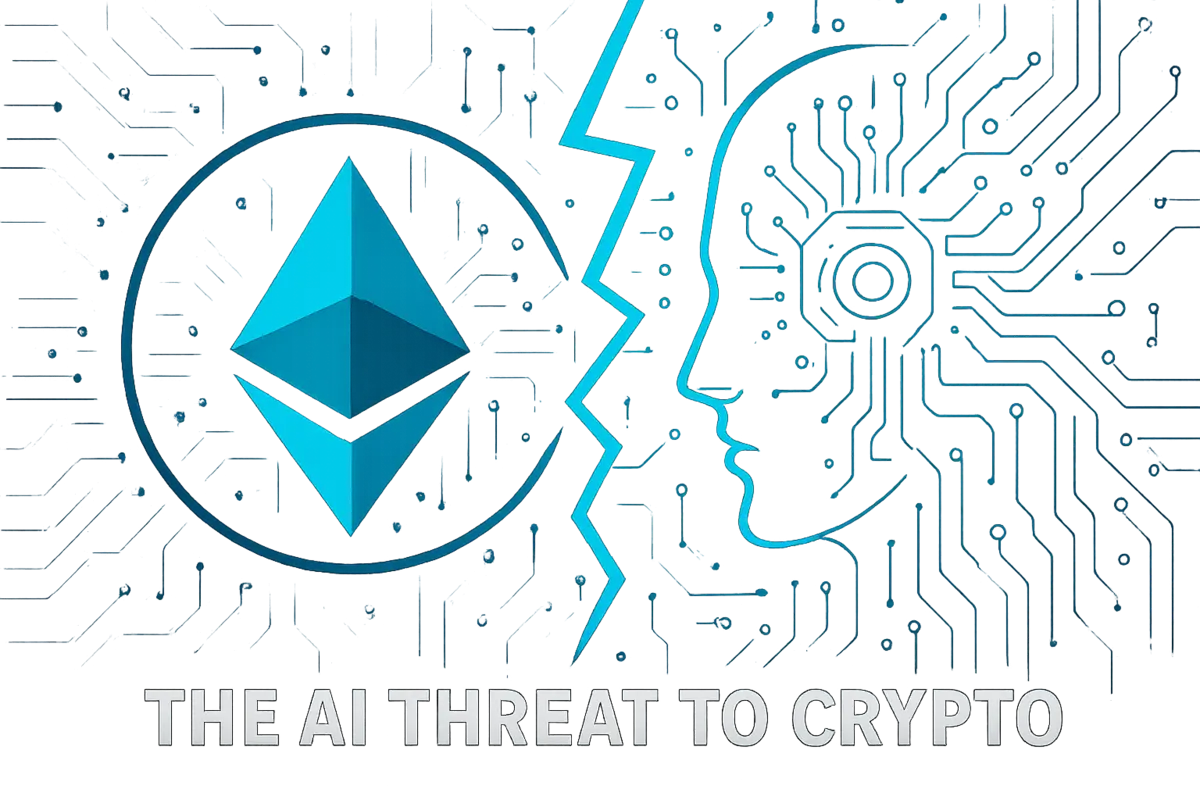
The debate inside the Ethereum community over AI-driven breakthroughs in cryptanalysis isn’t just academic — it signals a looming crisis in wallet security that few are prepared to face. Researchers like Justin Drake warn that AI might soon crack ECDSA signatures, the backbone of Ethereum’s wallet protection, within months if current trends continue.
This isn’t sci-fi speculation. While no practical break has occurred yet, the accelerating pace of AI-assisted mathematics threatens to outstrip traditional security assumptions. Vitalik Buterin’s caution against hasty migrations highlights a painful catch-22: rushing to patch vulnerabilities could lead to costly implementation errors, ironically causing more losses than successful hacks.
The core of the risk lies in underestimating second-order effects. If wallets become vulnerable, it’s not just theft; the entire trust fabric of decentralized finance fractures. The pressure to switch cryptographic schemes swiftly will expose projects to operational risks, increased complexity, and vendor lock-in on new, unproven security solutions.
The broader tech ecosystem must urgently invest in resilient, AI-resilient cryptography and contingency strategies. For now, the safe stance is preparing “bunker mode” protocols and avoiding knee-jerk reactions. Ignoring this tension won’t delay the reality: AI-powered math will force a fundamental reckoning for digital asset security sooner than many expect.
Leave a Reply