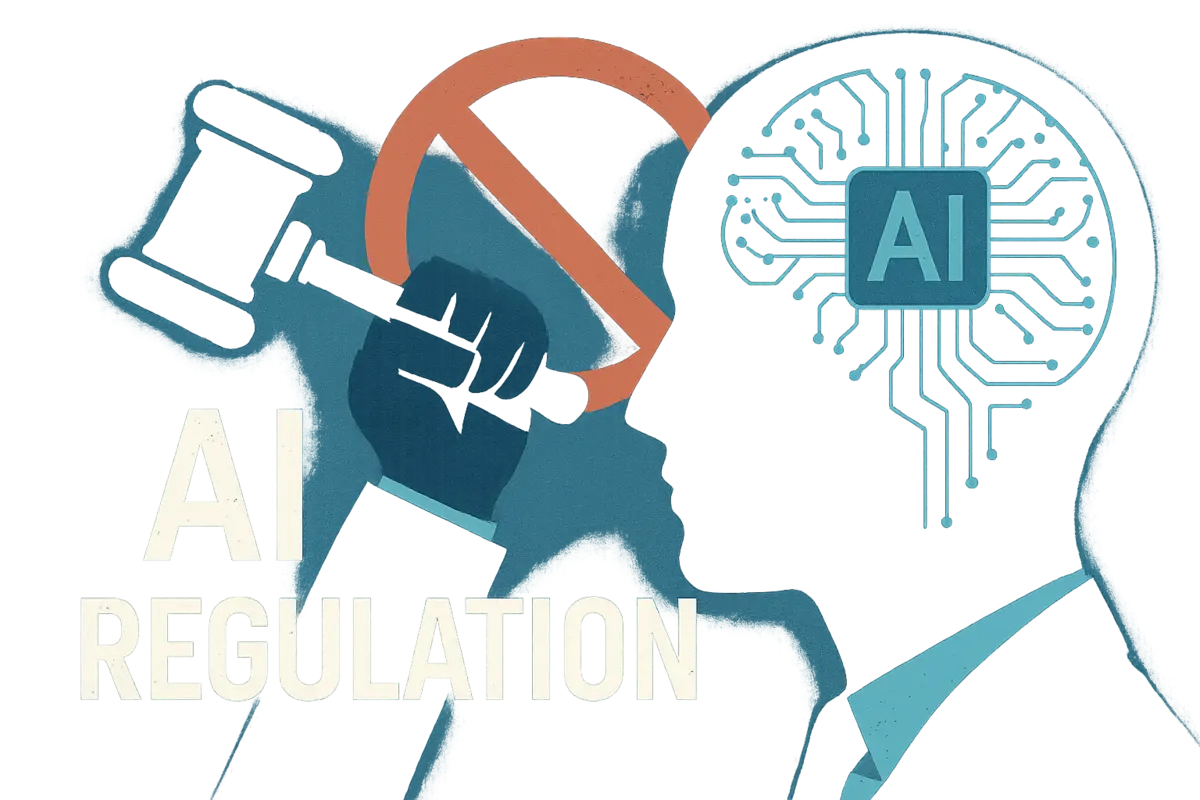
The recent US bill proposing a permanent ban on artificial superintelligence is less about practical governance and more about political signalling. It fundamentally misunderstands what superintelligence actually entails and how far we are from achieving it.
Artificial superintelligence, by definition, surpasses human cognitive abilities across virtually all domains. The capabilities required to reach that level are still theoretical, not imminent. This bill presupposes a technology that does not yet exist and whose trajectory remains deeply uncertain.
More importantly, banning superintelligence outright ignores the incremental nature of AI progress. The industry advances through gradual improvements in narrow AI and domain-specific models. Halting a broad category of innovation risks stifling beneficial developments in automation, productivity, and decision-support tools that companies rely on today.
This is a classic example of regulatory overreach driven by fear of speculative future risks. Instead of pre-emptive bans, the focus should be on robust, adaptive frameworks targeting current AI risks: biased models, data privacy, misuse of generative AI, and transparency. These offer meaningful control without halting innovation.
The legislation also glosses over enforcement challenges and international parity. Innovation will not stop in US borders, and falling behind means ceding leadership in shaping AI’s future.
At best, this bill is a political gesture. At worst, it could undermine sensible AI policy and harm the very industries it aims to protect.
Leave a Reply