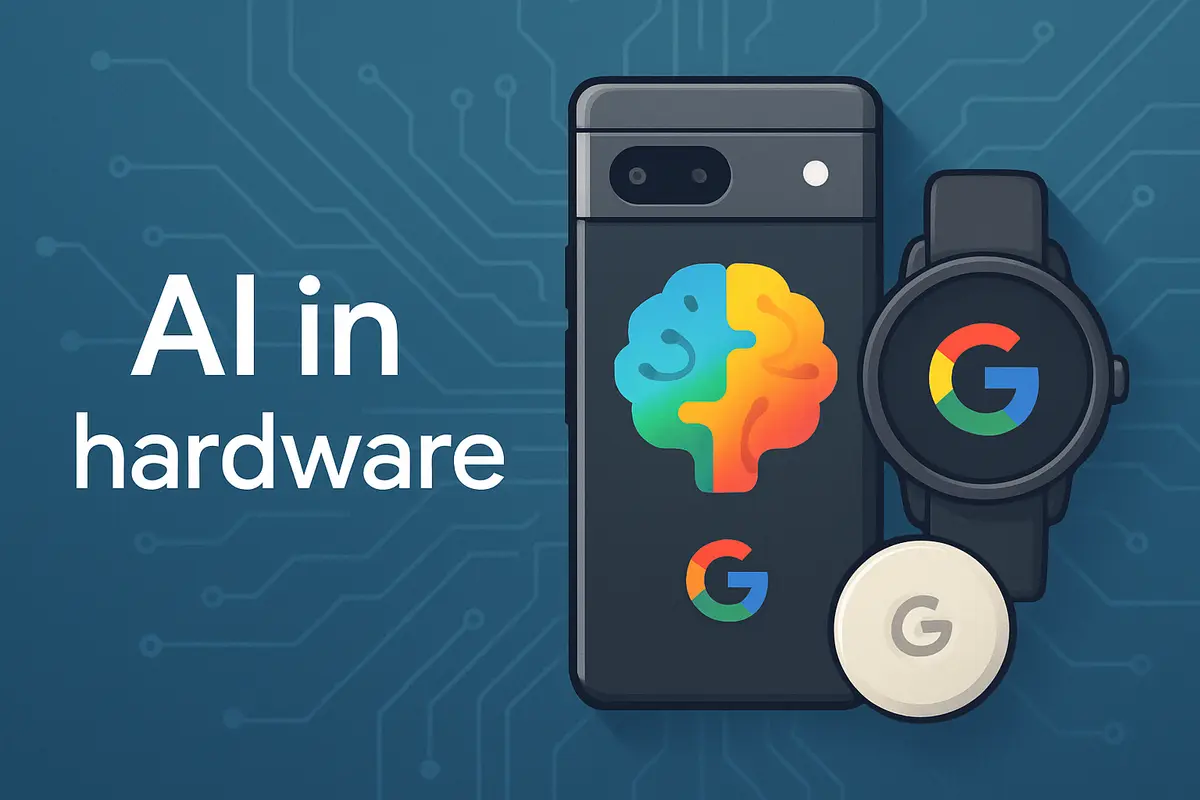
Google’s new Pixel 11 and the accompanying hardware lineup aren’t just incremental gadget updates. The headline event is the deeper integration of its Gemini AI features, signaling a longer game beyond flashy product launches. The Pixel 11 and Pixel Watch 5 roll out with improved hardware, but the real story lies in the new AI capabilities baked into these devices and the emerging ecosystem around them.
Google’s move to introduce a competitor to Apple’s AirTag, the Pixel Tag, quietly hints at their effort to reclaim control over hardware-software synergy. It’s less about competing on features and more about controlling the data pipeline and user engagement handoff. The Gemini AI features showcased at the event, though lightly detailed, indicate Google’s ongoing pivot toward AI-infused hardware experiences rather than standalone AI products.
This year’s announcements are less about breaking new ground in consumer tech and more about threading AI deeper into everyday devices, aiming to create sticky ecosystems that rely on continuous data flow and on-device learning. For founders and CTOs watching the space, the takeaway isn’t about upgrading phones but about the shift in AI’s deployment. Google is betting on embedding AI in hardware as the new baseline, forcing other players to rethink their AI and IoT strategies.
The tech world often overlooks this steady erosion of boundaries between software, AI, and hardware. Google’s Pixel 11 launch is a marker along that trajectory, not just another phone reveal.
Leave a Reply