
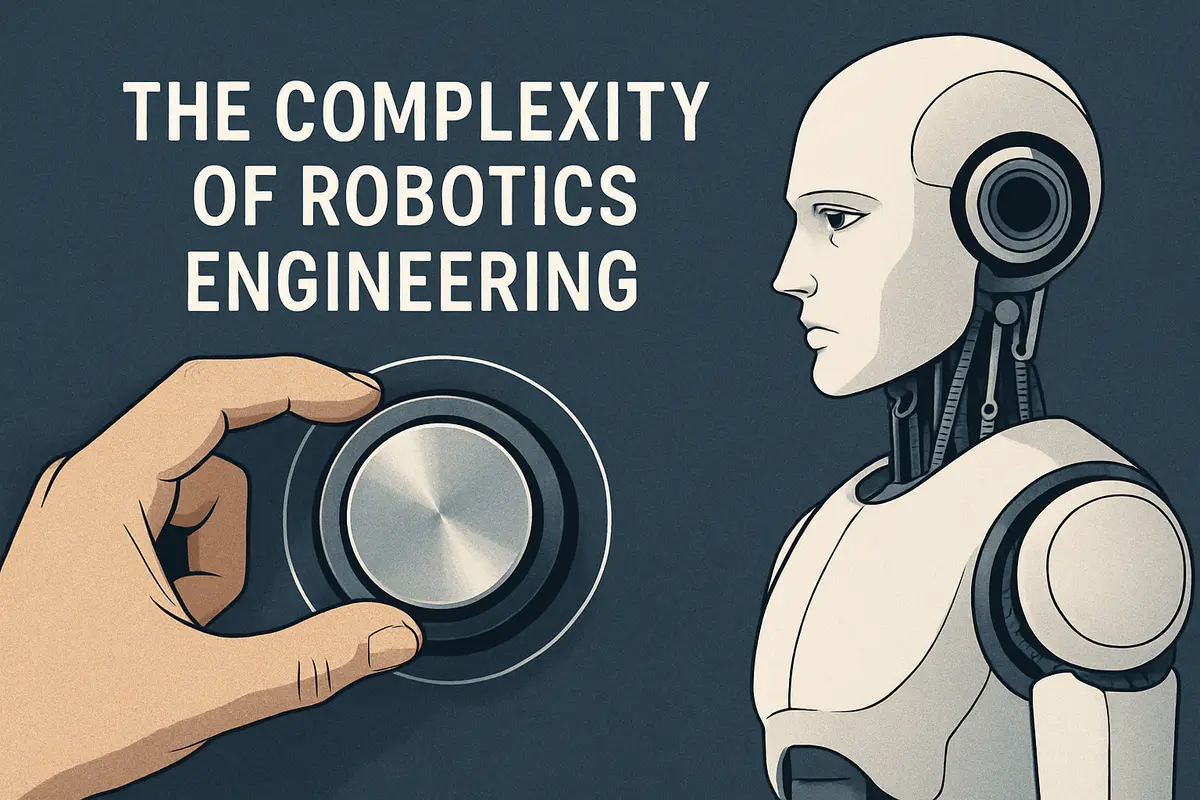
Controlling a robot “as easily as adjusting the volume” sounds sleek but oversimplifies the core difficulties in robotics. The recent $70M seed round for Enigma aims to turn robot control into a simple, intuitive task. That promise glosses over the persistent complexity in robotics: real-world environments are chaotic and demand robust sensing, processing, and adaptation — not just a better user interface.
The headline figure is impressive but doesn’t address the underlying hard engineering problems. UX improvements can only get you so far if the robot’s perception, navigation, and manipulation remain brittle or context-dependent. A $70M injection from top-tier funds might accelerate the front end, but the backend challenges — sensor fusion, low-latency feedback loops, fault tolerance — require decades of iterative development, often invisible to end users.
Moreover, framing robot operation as a simple, volume-like twist risks misleading decision-makers about implementation complexity and ongoing costs. It’s a classic case of packaging existing technical debt with a friendlier wrapper.
If your team is considering robotics integration, don’t be dazzled by the narrative of effortless control. Focus on what happens under the hood, not just the dial on the surface.
User-friendly robot control is not the bottleneck, it’s the shiny promise distracting from decades of unsolved robotics engineering.
Leave a Reply