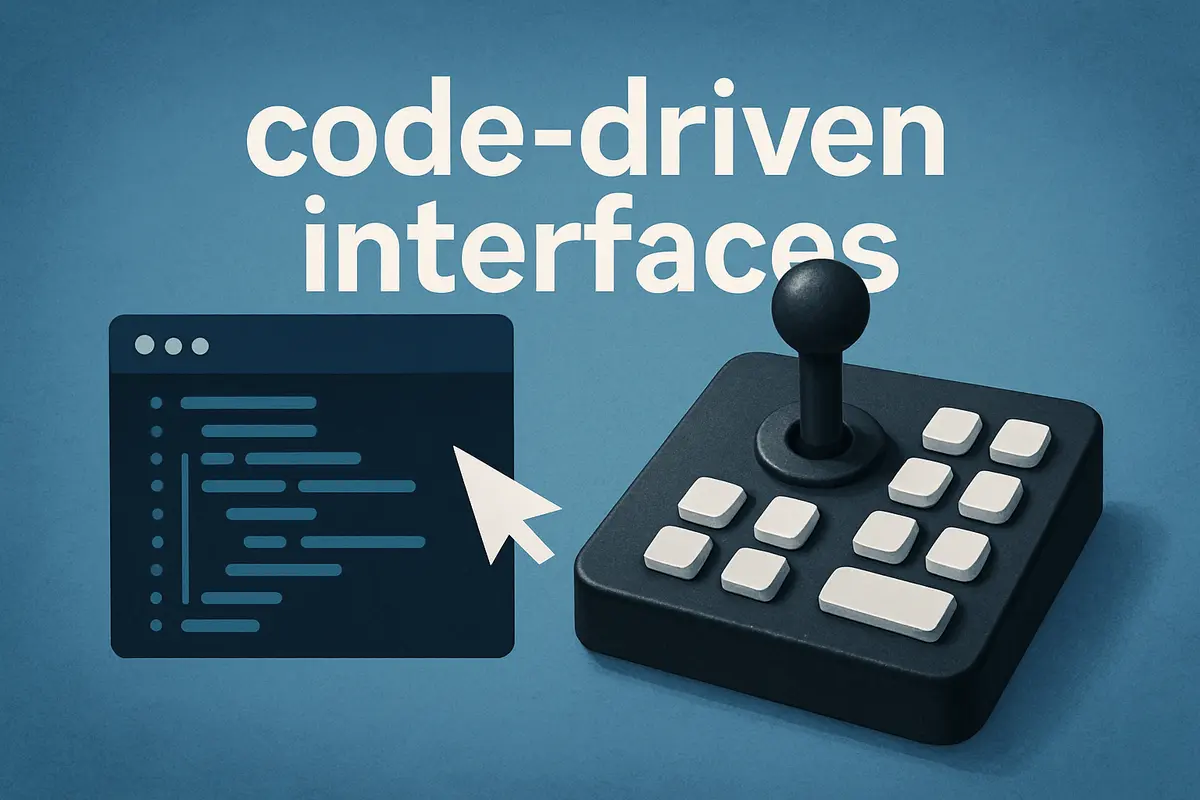
OpenAI and Work Louder’s new Codex Micro, a physical joystick and programmable button controller for AI agents, signals a fundamental misunderstanding. The idea that developers should abandon typing for hardware controls overlooks why we use code-driven interfaces in the first place.
Typing commands isn’t just a habit—it’s a precise, flexible, and infinitely scriptable way to shape AI behavior. A physical joystick can simplify some inputs, but at the cost of expressiveness and speed. It introduces an unnecessary layer between intent and execution, turning what should be a direct, text-based dialogue into a proxy control problem.
This also betrays a deeper industry trend: the tendency to fetishize novelty in interaction methods rather than improving how AI understands natural language or code itself. For busy founders and CTOs, the focus should be on empowering teams with tools that scale across projects and contexts, not gimmicks that require specialized hardware and retraining.
The purported benefit here is marginal at best. Instead, more attention should go into refining AI integration via APIs, better debugging tools, and interoperable workflows—not trading keyboards for joystick rigs. That’s where you get real productivity gains.
If your next AI tool pitch includes hardware joysticks, ask yourself whether you’re solving a real problem or just rearranging the interface deck chairs.
Leave a Reply