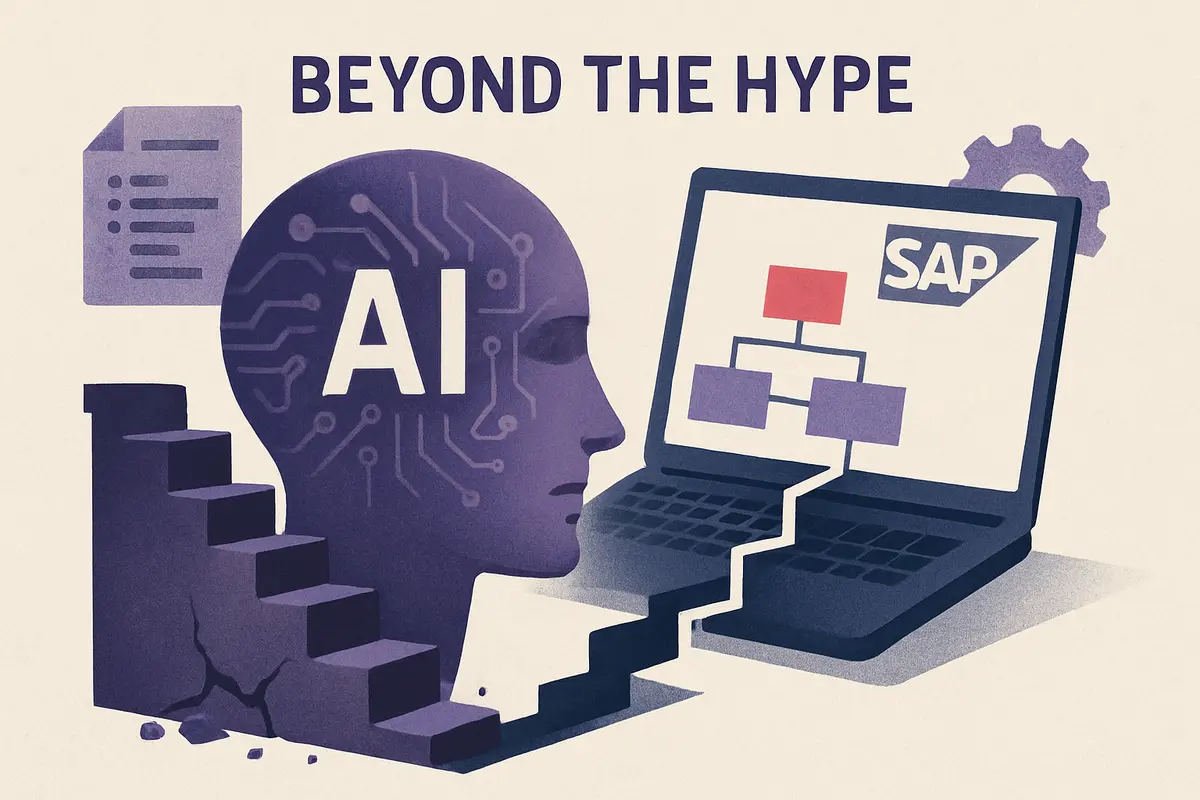
SAP’s new move to integrate Mistral AI models into the migration of legacy systems to S/4HANA might sound like a straightforward fix for a notoriously complex problem. But the reality is more nuanced, and it’s worth separating hope from hype.
The core claim is that Mistral’s generative AI can simplify and automate the translation of old codebases and configurations into the new SAP ecosystem. This sounds promising, but it glosses over the fundamental challenge: legacy migration is as much about understanding business processes and context as it is about code conversion.
AI can assist with pattern recognition and boilerplate conversion, yet it struggles with domain-specific logic embedded over years of bespoke customisations. Expecting it to deliver a hands-off migration underestimates the complexity, often requiring extensive manual review and iterative testing.
Moreover, landing on S/4HANA is only part of the journey; integration, user adaptation, and performance tuning remain substantial efforts. What’s more concerning is the potential lock-in effect—relying on proprietary AI tools from either SAP or Mistral risks vendor dependency and cost escalation, especially as the migration project scales.
Our advice? Treat AI as a tool to accelerate but not replace expertise. Managing expectations upfront is critical to avoid costly surprises post-migration. The future may look automated in theory, but in practice, these projects still demand experienced engineers and a robust change management approach.
Don’t let AI marketing obscure the hard work legacy migration requires.
Leave a Reply