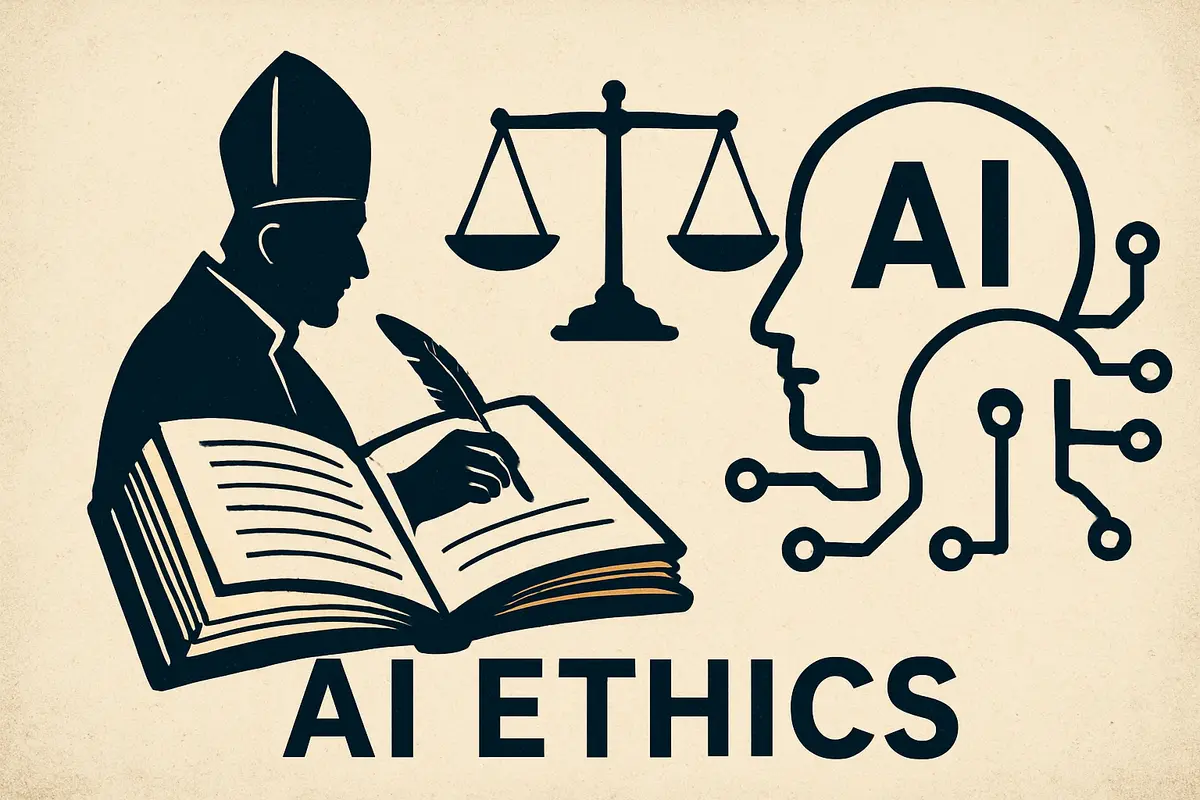
A papal encyclical on artificial intelligence sounds like something out of left field for SMEs focused on practical AI deployments. Yet, this event signals a shift that founders and CTOs should note—not for immediate changes, but for long-term implications around AI ethics and regulation.
An encyclical is traditionally a moral guide. When AI becomes a subject of religious ethical guidance, it underscores growing societal concerns about AI’s impact beyond just tech circles. For smaller businesses, this means one thing clearly: ethical AI is no longer optional and may soon be regulated with more formal standards influenced by broad societal values.
If you run a 5–80 person company considering AI, you should watch how these ethical discussions evolve. It’s unlikely that this encyclical directly affects your tech stack or budgets tomorrow. But it sets the tone for governance frameworks that could increase compliance burdens or demand transparency in AI use.
Rather than waiting for distant legislation, SMEs would do better preparing now with clear AI accountability processes. Ask who in your team owns your AI ethics, bias checks, and data privacy. The risk is not just regulatory fines but losing customer trust in rapidly changing markets.
This papal statement is more signal than action. It’s a reminder that ethics and AI governance are coming to the fore—and that smaller players must not ignore the conversation if they want to stay trustworthy and competitive.
Leave a Reply