
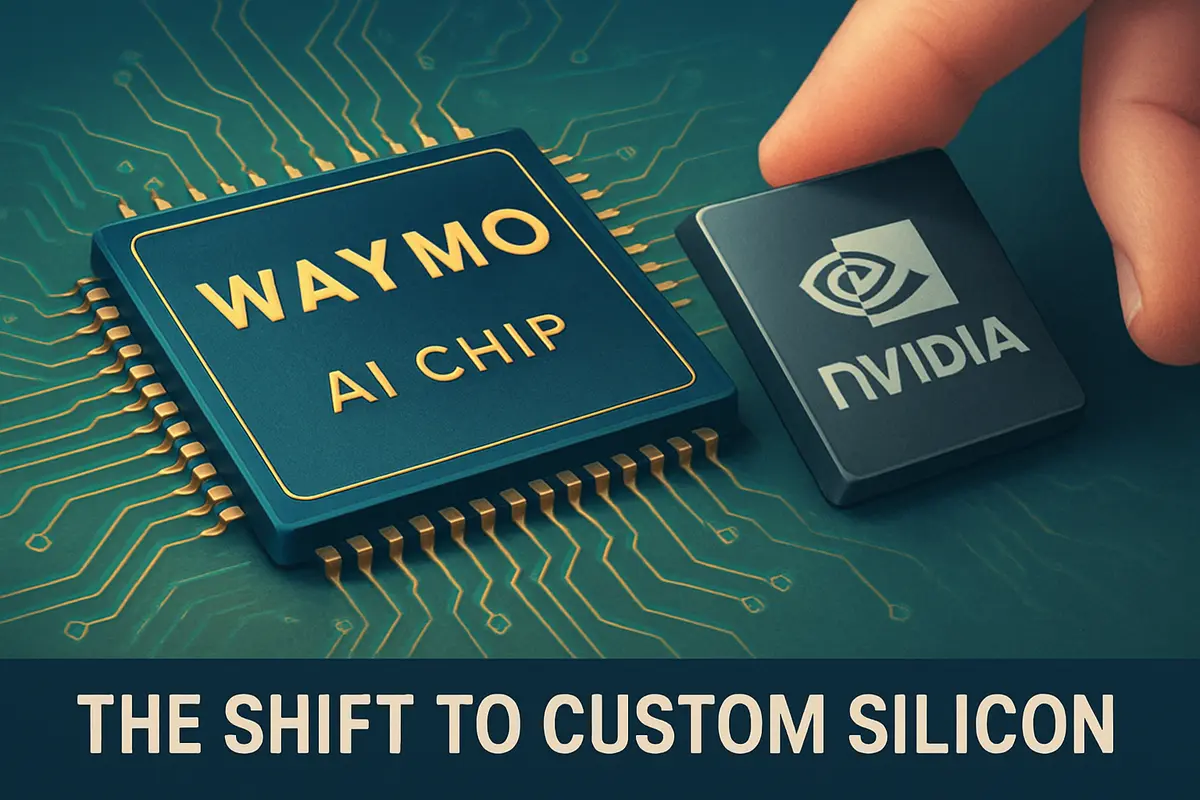
Waymo’s decision to design its own chip rather than continue relying on Nvidia is more than just a cost-saving move—it’s a strategic pivot that could ripple through the autonomous vehicle industry.
The headline might celebrate autonomy from third-party hardware vendors, but the real story runs deeper. Nvidia’s GPUs have dominated AI compute for years, largely because of their versatility and ecosystem maturity. Yet, specialist hardware tailored to specific workloads, like Waymo’s custom chip for robotaxis, can vastly improve efficiency and reduce operational costs over time.
This is not about immediately ditching Nvidia, but about recalibrating control over critical technology layers. For companies building complex AI-driven systems, in-house silicon means bypassing vendor lock-in and tailoring performance to highly specific needs. It also signals a rising trend: the vertical integration of software and hardware to accelerate innovation on cost and performance grounds.
Consider what this means for the AI hardware market. Nvidia’s appetite for market control will face increasing pressure from bespoke alternatives, especially in enterprises where scale justifies the upfront investment. For Waymo, owning the chip design could translate into better power efficiency, latency reduction, and a stronger negotiating position with suppliers.
Behind this move is a reminder: relying exclusively on big vendors isn’t always best for innovation or economics. Strategic in-house development is where companies regain technical leverage and long-term resilience.
This chip might just be the first domino in a bigger reshuffle of autonomy tech’s hardware stack.
Leave a Reply